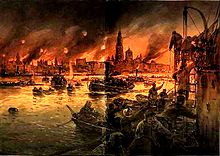
Belgian Forces Retreat to Yser River to Counter German Advance in WWI
Germany
Political
Military
5 min read
Updated By: History Editorial Network (HEN)
Published:
Updated:
As World War I continued to unfold, Belgian forces faced the daunting challenge of retreating to the Yser River. Positioned in the western part of Belgium, they endeavored to establish a defensive line to counter the advancing German army. This strategic withdrawal was aimed at securing a position that could be effectively defended and would prevent further German advancement into the last unoccupied strip of Belgium.
Belgian troops, under the command of King Albert I, fortified the riverbanks, taking advantage of the natural defensive barrier provided by the Yser River. The Belgian soldiers, although significantly outnumbered and facing a well-coordinated enemy, demonstrated resilience and determination in holding their ground. The Belgians flooded the Yser plain, a tactical move that significantly slowed down the German forces, forcing them to confront harsh, flooded terrain.
The importance of maintaining control over the Yser River emerged from both strategic and symbolic standpoints. Strategically, it was crucial in hindering the German troops' access to the French Channel ports, which were vital for the Allied supply lines. Symbolically, the defense of the Yser represented Belgian resistance and national determination in the face of the overwhelming invasion.
Reports from the battlefield indicate that the Belgian troops' position along the Yser was bolstered not only by their own forces but also by French and British reinforcements, illustrating the collaborative effort amongst Allies. Despite the limited time and resources, the defensive preparations included the construction of trenches, bunkers, and artillery placements.
The Battle of the Yser that ensued became a pivotal episode in the stalemate of the Western Front. The defense of the Yser River by the Belgian army marked a critical halt to the German advance toward the French coast, contributing to the establishment of trench warfare that would characterize much of the war on the Western Front.
The events surrounding the retreat and subsequent defense at the Yser River underscore the broader themes of bravery, strategic ingenuity, and international cooperation during World War I. The Belgian forces' tenacious stand played a significant role in the broader context of the war, influencing subsequent military engagements and Allied strategies.
#MoofLife #WorldWarI #BelgianArmy #YserRiver #MilitaryStrategy #WesternFront #AlliedForces
Primary Reference
Siege of Antwerp (1914) - Wikipedia

Explore the Life Moments of
 AI Twin