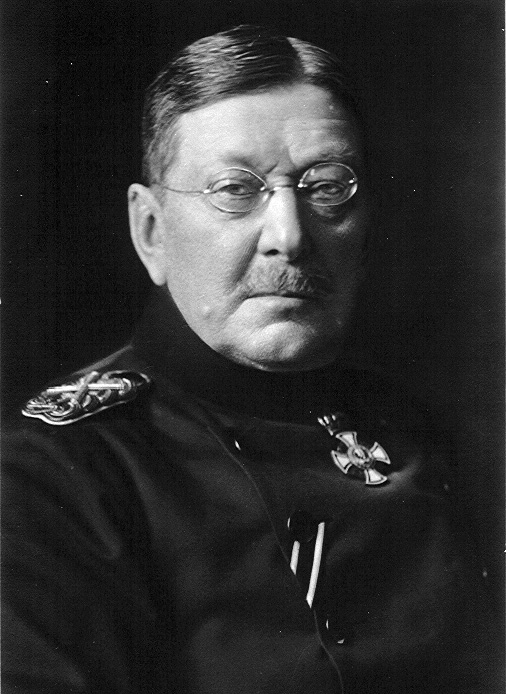
Battle of Wadi: British forces fail to break Ottoman siege at Kut during World War I.
Germany
Military
4 min read
Updated By: History Editorial Network (HEN)
Published:
Updated:
During World War I, British forces attempted to break the Ottoman siege of Kut in Mesopotamia through what is known as the Battle of Wadi. The British forces, aiming to relieve the encircled garrison at Kut, launched an offensive against the entrenched Ottoman troops. Despite initial hopes for a successful breakthrough, the operation faced significant challenges.
The British soldiers, under the command of Lieutenant General Fenton Aylmer, encountered well-prepared Ottoman defenses along the Wadi river. The difficult terrain and strong fortifications made it hard for the British to advance. The Ottoman forces, determined to maintain their hold, utilized their strategic advantage to inflict heavy casualties on the British attackers. Reports indicate that more than 1,600 British soldiers were killed or wounded in the conflict.
The heavy casualties and the daunting defensive positions forced the British to abandon their attempt to lift the siege. The retreat marked a setback in the Mesopotamian campaign, highlighting the strength and resilience of the Ottoman military presence in the region. The inability to relieve Kut eventually led to its surrender, further compounding the challenges faced by the British in that theater of the war.
The Battle of Wadi is a stark reminder of the brutal and often costly nature of World War I battles, especially in regions like Mesopotamia where terrain and well-prepared defenses played critical roles. This event had lasting implications for military strategies and the broader dynamics of the conflict in the Middle East.
#WorldWarI #BattleOfWadi #MilitaryHistory #OttomanEmpire #BritishForces #HistoricalEvent #MoofLife
Primary Reference
Mesopotamia campaign | National Army Museum

Explore the Life Moments of
 AI Twin