Battle of Ctesiphon: British and Indian forces clash with Ottomans in WWI Mesopotamia.
Germany
Military
4 min read
Updated By: History Editorial Network (HEN)
Published:
Updated:
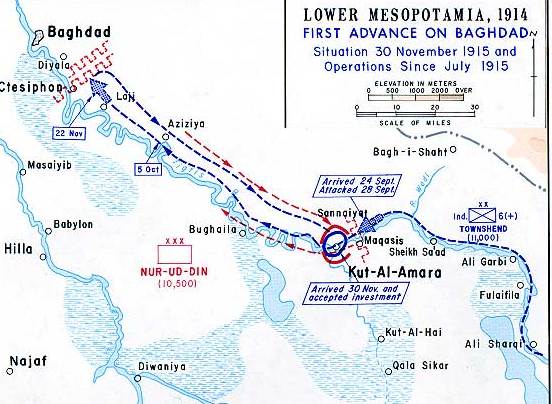
The Battle of Ctesiphon took place in Mesopotamia during World War I, where British and Indian forces engaged Ottoman troops. Prior to the battle, the British forces had advanced from Basra, aiming to secure oil supplies and establish control over the region. The strategic significance of this encounter lay in its potential to disrupt Ottoman control and support the broader Allied war effort.
The engagement at Ctesiphon was intense, with both sides sustaining substantial casualties. Reports indicate that over 4,600 British and Indian soldiers were killed, wounded, or missing. The Ottoman forces, similarly, faced heavy losses, with estimates ranging from 6,000 to 9,000 personnel affected. Despite the fierce fighting, neither side achieved a decisive victory, leading to an inconclusive outcome.
The aftermath of the battle saw the British forces retreat toward Kut, unable to maintain their position against the resilient Ottoman defense. This retreating movement marked a significant shift in the campaign, as the British forces subsequently endured a long and arduous siege at Kut, resulting in further challenges and hardships.
In terms of broader impact, the Battle of Ctesiphon highlighted the difficulties of sustaining military operations in harsh and unfamiliar environments. It underscored the logistical and strategic complexities that the British Empire faced in its efforts to expand its influence in the Middle East.
#MoofLife #WorldWarI #Mesopotamia #BattleOfCtesiphon #BritishForces #IndianForces #OttomanEmpire #MilitaryHistory #WarCasualties #HistoricalEvents

Explore the Life Moments of
 AI Twin