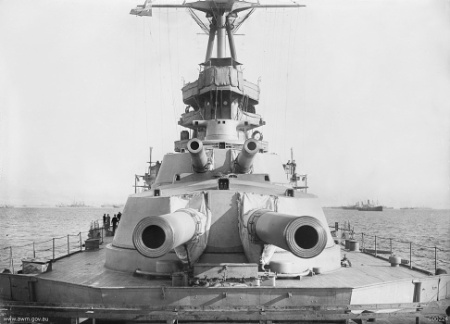
Allied bombardment of Dardanelles launches Gallipoli campaign, aiming to weaken Ottoman Empire in World War I.
Germany
Political
Military
5 min read
Updated By: History Editorial Network (HEN)
Published:
Updated:
The Allied bombardment of the Dardanelles began, marking the commencement of the Gallipoli campaign, which sought to strategically weaken the Ottoman Empire's position in World War I. The Allies aimed to open a vital supply route to Russia and apply pressure on the Central Powers by forcing the Ottoman Empire out of the war.
The Dardanelles Strait, a narrow channel in northwestern Turkey, held significant strategic importance as it connected the Aegean Sea with the Sea of Marmara, and subsequently the Black Sea, providing crucial maritime access. By targeting the Dardanelles, the Allies intended to disrupt Ottoman control and ensure safe passage for naval and supply ships.
Naval forces launched an intense bombardment on the Ottoman fortifications along the Dardanelles coast, utilizing battleships and other warships to shell coastal defenses. This initial phase of the campaign revealed the formidable nature of the Ottoman defenses, which included fortified gun positions, minefields, and well-coordinated defensive tactics.
The Gallipoli campaign soon escalated beyond naval operations, involving a full-scale amphibious landing and prolonged ground combat. Troops from various Allied nations, including Britain, Australia, New Zealand, and France, participated in the campaign. The campaign became symbolized by grim trench warfare, challenging terrain, and significant casualties on both sides.
Despite initial hopes for a quick victory, the Gallipoli campaign ultimately failed to achieve its objectives. The Ottoman forces, under the command of capable leaders such as Mustafa Kemal (later known as Atatürk), mounted effective resistance, capitalizing on their geographical advantage and intimate knowledge of the terrain.
Casualties were high on both sides. The Allies suffered around 250,000 casualties, while Ottoman losses were comparably heavy. The campaign had profound ramifications, shaping the course of the war and impacting the national consciousness of countries involved, particularly Australia and New Zealand, where the Gallipoli legacy remains particularly poignant.
#MoofLife #WorldWarI #Gallipoli #Dardanelles #OttomanEmpire #AlliedForces #MilitaryHistory
Primary Reference
Gallipoli campaign | National Army Museum
Explore the Life Moments of
 AI Twin