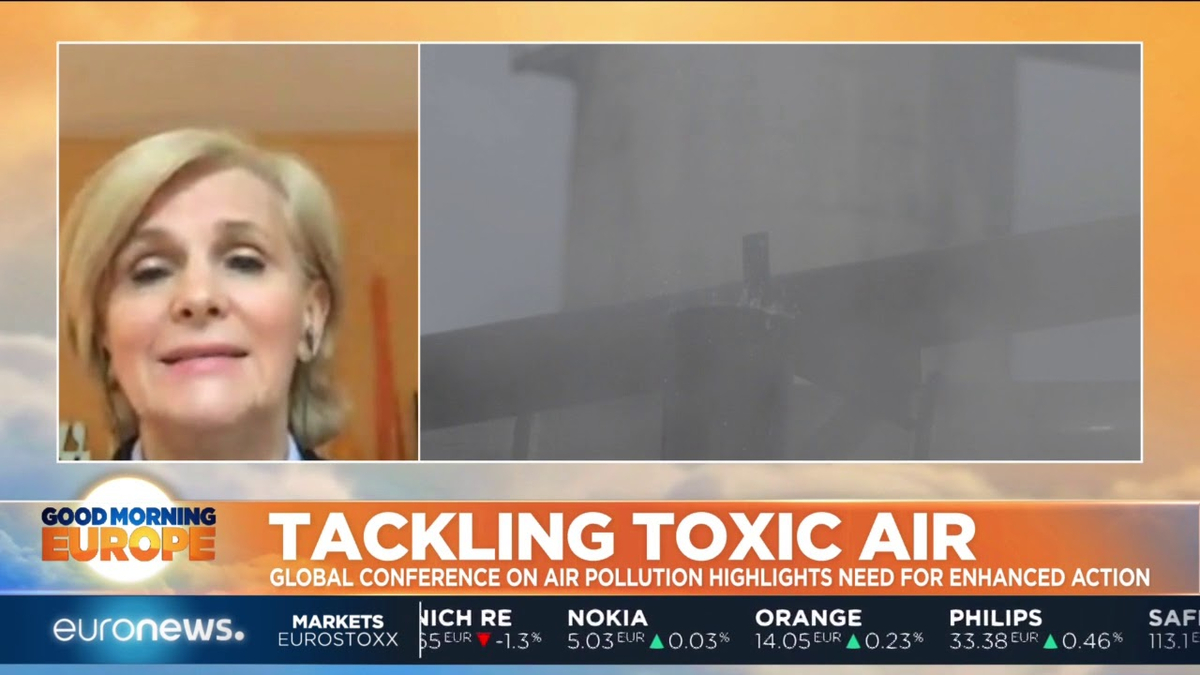
WHO's First Global Conference on Air Pollution
Public Health
Environmental Policy
Climate Change
4 min read
Updated By: History Editorial Network (HEN)
Published:
Updated:
The World Health Organization (WHO) convened its first global conference on air pollution and health, focusing on the critical intersection of air quality and climate change. This conference aimed to address the urgent need for improved air quality, which is a significant public health concern affecting millions worldwide. The event brought together various stakeholders, including representatives from UN Environment, the World Meteorological Organization (WMO), and the UN Framework Convention on Climate Change (UNFCCC). The collaboration among these organizations underscored the global commitment to combat air pollution and its detrimental effects on health and the environment. The conference served as a platform for sharing knowledge, strategies, and best practices to mitigate air pollution and promote sustainable practices that can lead to healthier communities.
The impact of air pollution is profound, with millions of premature deaths attributed to exposure to polluted air. The conference highlighted the need for urgent action to reduce emissions from various sources, including transportation, industry, and household activities. It emphasized the importance of integrating air quality management into broader climate change strategies. Participants discussed the health benefits of cleaner air, which include reduced respiratory and cardiovascular diseases, and the economic advantages of investing in clean air initiatives. The conference aimed to mobilize political will and resources to implement effective policies and programs that can lead to significant improvements in air quality and public health outcomes globally.
#mooflife
#MomentOfLife
#Who
#AirPollution
#PublicHealth
#ClimateChange
#GlobalConference

Explore the Life Moments of
 AI Twin