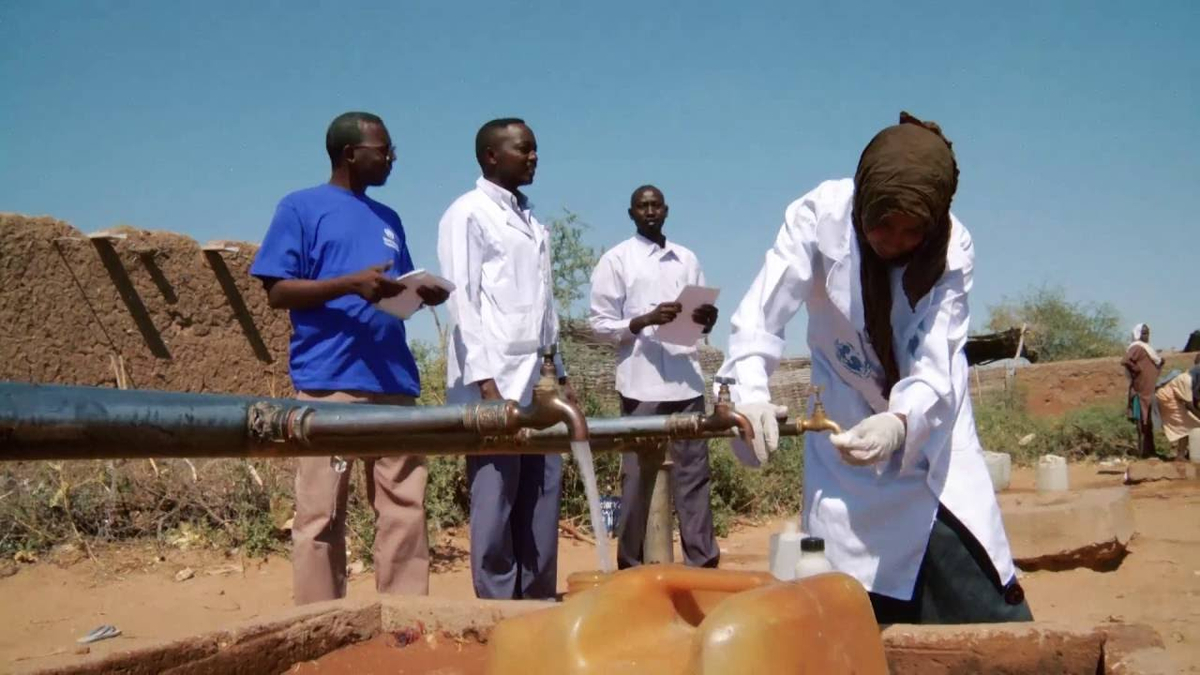
The World Health Organization (WHO) established its Health Emergencies Programme
Health
WHO
Emergency Management
3 min read
Updated By: History Editorial Network (HEN)
Published:
Updated:
The World Health Organization (WHO) established its Health Emergencies Programme to enhance its capacity for direct action in response to health crises. This initiative was a response to criticisms regarding the organization's diminished role in emergency situations, which had been attributed to budget cuts in the preceding decade. These cuts had significantly reduced WHO's operational capabilities, relegating it to an advisory position that relied heavily on member states for implementation of health interventions. The Health Emergencies Programme was funded with $140 million, aimed at restoring WHO's ability to respond effectively to health emergencies. This funding was crucial for enabling the organization to take a more proactive stance in managing health crises, rather than merely advising countries on how to handle them. The program's launch marked a pivotal shift in WHO's operational strategy, allowing it to engage more directly in emergency response efforts, thereby improving global health security. The initiative also aimed to streamline coordination among various stakeholders during health emergencies, ensuring a more unified and effective response to outbreaks and other health threats. By focusing on building capacity and enhancing preparedness, the Health Emergencies Programme sought to mitigate the impact of health emergencies on populations worldwide, ultimately aiming to save lives and reduce suffering during crises.
#mooflife
#MomentOfLife
#Who
#HealthEmergenciesProgramme
#GlobalHealth
#PublicHealth
#EmergencyResponse

Explore the Life Moments of
 AI Twin