Key Developments and Competitive Cooperation in Business
Switzerland
Business
Global Economy
1990s
4 min read
Updated By: History Editorial Network (HEN)
Published:
Updated:
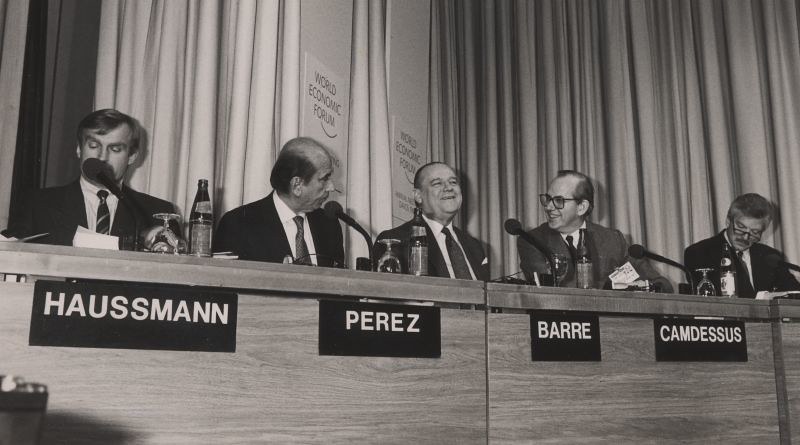
The late 20th century marked a transformative period for global business, characterized by key developments that shaped the economic landscape. The theme of 'Key developments in the 90s: implications for global business' highlighted the emerging trends and challenges that businesses would face in the coming decade. This period was defined by the increasing interconnectedness of economies, driven by advancements in technology and communication. The rise of globalization facilitated the expansion of markets beyond national borders, allowing companies to tap into new customer bases and resources. However, this also led to heightened competition as businesses from different regions vied for market share, necessitating innovative strategies and adaptive business models.
In response to the challenges posed by globalization, the concept of competitive cooperation emerged as a vital strategy for businesses. Companies began to recognize the importance of forming alliances and partnerships to enhance their competitive edge. This approach allowed firms to share resources, knowledge, and technology, ultimately leading to improved efficiency and innovation. The dynamics of competitive cooperation were particularly evident in industries such as technology and manufacturing, where collaboration among firms could lead to significant advancements and cost reductions. As businesses navigated this complex environment, the need for effective leadership and strategic foresight became paramount, shaping the direction of global business practices for years to come.
#mooflife
#MomentOfLife
#GlobalBusiness
#CompetitiveCooperation
#EconomicDevelopment
#Globalization
#BusinessStrategy

Explore the Life Moments of
 AI Twin