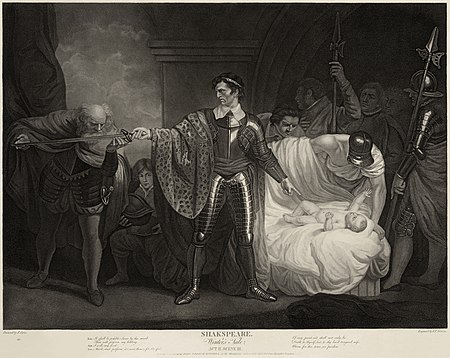
Shakespeare's *The Winter's Tale*: Tragic jealousy to comic redemption in experimental play #Shakespeare #TheWintersTale
United KIngdom
Literature
Entertainment
3 min read
Updated By: History Editorial Network (HEN)
Published:
Updated:
William Shakespeare's play, *The Winter's Tale*, is a notable work that uniquely combines elements of tragedy and comedy. This play followed his earlier tragedies and marked a new phase in his writing career. The narrative begins with King Leontes of Sicilia, who becomes irrationally jealous, suspecting his wife, Hermione, of infidelity with his friend, King Polixenes of Bohemia. His jealousy leads to tragic consequences, including the death of his son, the abandonment of his infant daughter, and the presumed death of Hermione.
However, as the play progresses, it shifts from the somber mood of tragedy to the lighter, more hopeful tone of comedy. This transformation is highlighted by the play’s movement to a pastoral setting, where the lost daughter, Perdita, is raised by shepherds. The eventual revelation of true identities and the reuniting of family members lead to a resolution where forgiveness and reconciliation prevail.
*The Winter's Tale* stands out in Shakespeare's oeuvre for its experimental structure and themes of redemption. This period in Shakespeare's career also reflected an interest in the complexities of human emotions and the possibility of moral regeneration. The play's ability to traverse the high stakes of tragedy and the redemptive arcs of comedy makes it a compelling study for both literary scholars and theater enthusiasts.
#WilliamShakespeare #ElizabethanTheatre #TheWintersTale #TragedyToComedy #Redemption #MoofLife
Primary Reference
Timeline of Shakespeare's plays | Royal Shakespeare Company

Explore the Life Moments of
 AI Twin