Shakespeare's "Macbeth": Ambition, Supernatural, and Enduring Legacy
United KIngdom
Entertainment
Literature
4 min read
Updated By: History Editorial Network (HEN)
Published:
Updated:
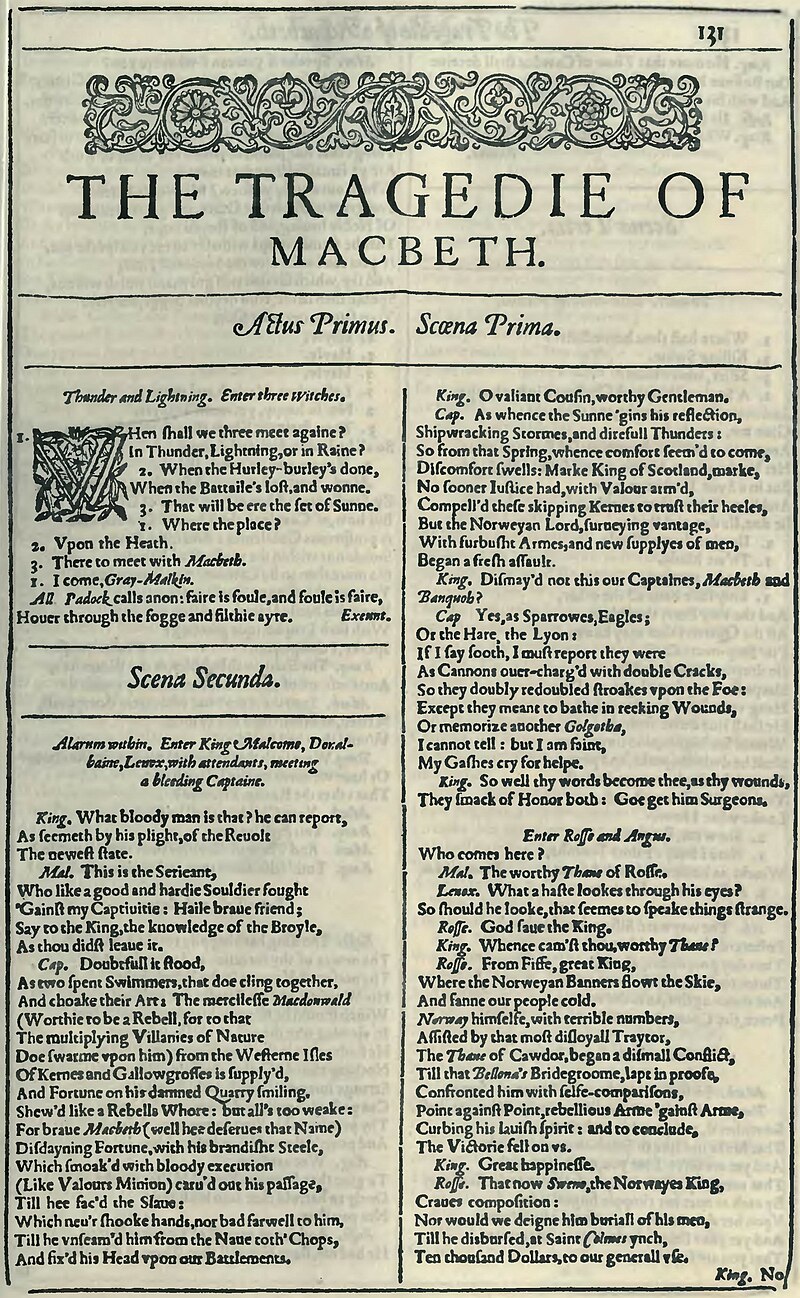
In the early 17th century, William Shakespeare penned "Macbeth," a play exploring the themes of ambition and its consequences, along with elements of the supernatural. Shakespeare drew on historical sources, such as Holinshed's Chronicles, to craft the narrative centered around Macbeth, a Scottish general whose unchecked ambition leads to his downfall.
"Macbeth" was performed by the King's Men, a company of actors. Its initial reception was marked by appreciation for its compelling plot and the incorporation of supernatural motifs, such as the three witches and their prophecies. These elements reflected contemporary interests in witchcraft and the unknown, resonating with audiences at a time when such themes were both feared and fascinating.
The play's impact extended beyond its original performances. It influenced literary and theatrical traditions, setting a precedent for the exploration of the darker aspects of human nature on stage. Scholars have extensively analyzed "Macbeth," considering it a critical work in understanding the complexities of ambition and morality.
"Macbeth" also contributed to the popularity and financial success of Shakespeare's plays. It has been adapted numerous times in various formats, including films, operas, and novels, cementing its status as a timeless piece of literature. The play remains a staple in educational curricula, reflecting its enduring relevance and the universal themes it addresses.
#WilliamShakespeare #Macbeth #Ambition #Supernatural #Theatre #Literature #MoofLife
Primary Reference
Macbeth - Wikipedia

Explore the Life Moments of
 AI Twin