Shakespeare's London Theatre Transformation: Moving beyond 'Lost Years' and into Literary Legacy
United KIngdom
Entertainment
5 min read
Updated By: History Editorial Network (HEN)
Published:
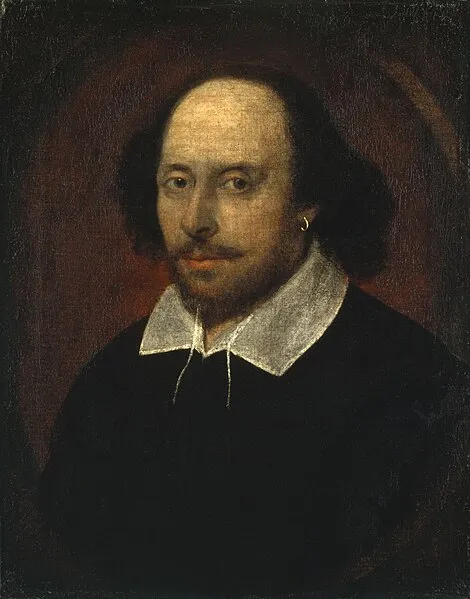
The mention of William Shakespeare in a London theatre context signaled a pivotal transformation in his career trajectory, traditionally considered the end of what scholars term his 'lost years.' This period purportedly encompassed a span when historical records offer no substantial details about his activities or whereabouts. The acknowledgment came via a critique by Robert Greene, a notable playwright of the time, who referred to an "upstart crow" in a pamphlet titled "Greene's Groats-Worth of Wit." This phrase is widely accepted amongst historians as a direct jab at Shakespeare, indicating his growing presence and influence in the theatrical circles of London.
During this era, the theatre scene in London was a burgeoning hub of creativity and economic activity, attracting diverse talents and authors. The city's cultural and financial investment in public playhouses and performances was significant, as this form of entertainment was immensely popular among all social classes. At the heart of this vibrant environment, Shakespeare's emergence is noteworthy not just for his rapid ascent from obscurity, but also for the eventual scale of his impact on English literature and drama.
The reference to him, amidst heated competition among dramatists, suggests he had begun to make a considerable mark through his craft, laying the groundwork for what would become a prolific output of plays and sonnets. Shakespeare’s arrival in the London theatre scene is characterized by his diverse roles as an actor, playwright, and shareholder in the Lord Chamberlain's Men, a prominent playing company.
Across his career, Shakespeare penned close to 40 plays, encompassing histories, tragedies, comedies, and romances, and over 150 sonnets, transforming the conventions of playwriting. His integration into the London theatre conferred legitimacy on his work, enabling him to refine his distinctive style, marked by complex characterizations, poetic dialogues, and explorations of universal themes.
In historical terms, the transition from anonymity to renown set the stage for Shakespeare's enduring legacy, reinforcing the value of literary contributions within the rapidly evolving cultural landscape of England. His initial mention amongst London’s theatre elite remains a reference point, marking his official entry into the documented annals of literary history.
#MoofLife #Shakespeare #LondonTheatre #LiteraryHistory #TheatreScene #HistoricalEvents
Primary Reference
William Shakespeare's life and times | Royal Shakespeare Company
Explore the Life Moments of
 AI Twin