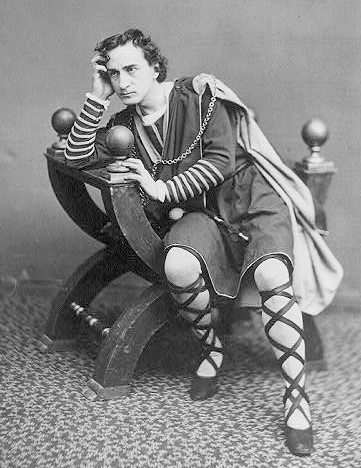
Shakespeare's Hamlet: Themes of Revenge and Existential Angst Shape English Literature
United KIngdom
Literature
Art
3 min read
Updated By: History Editorial Network (HEN)
Published:
Updated:
During the creation period of Hamlet, William Shakespeare delved into profound themes of revenge and existential angst. The play was crafted against a backdrop of political tension and social change in England. The story of Prince Hamlet, who seeks to avenge his father's murder, resonated deeply with audiences. The exploration of deep psychological complexities reflected the era's shifting perspectives on human nature and the cosmos.
The play's impact was substantial, shaping the trajectory of English literature and drama. It showcased Shakespeare's mastery of verse and his ability to capture the intricate nuances of the human psyche. Hamlet became one of his most performed and analyzed works. Scholars and critics have examined its rich text for centuries, interpreting its philosophical, ethical, and emotional depth.
Statistically, Hamlet has been staged thousands of times worldwide and translated into numerous languages. Its soliloquies, particularly "To be, or not to be," are among the most quoted lines in the English language. The play's influence extends beyond literature into various forms of media and popular culture.
#MoofLife #Hamlet #WilliamShakespeare #Revenge #ExistentialAngst
Primary Reference
Hamlet
Explore the Life Moments of
 AI Twin