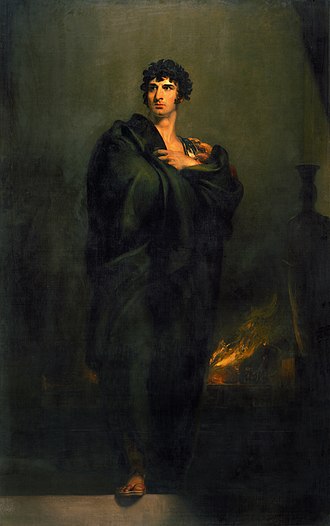
Shakespeare's "Coriolanus": Tragedy, Power, and Political Discourse within Roman society
United KIngdom
Entertainment
Political
3 min read
Updated By: History Editorial Network (HEN)
Published:
Updated:
William Shakespeare composed "Coriolanus," a tragedy inspired by the life of the Roman leader Caius Marcius Coriolanus. Based on historical sources, especially the works of Plutarch, Shakespeare crafted this play during his productive period of writing. "Coriolanus" delves into themes of pride, power, and the tumultuous relationship between the protagonist and the people of Rome. The narrative explores the impact of a leader's hubris and the consequences of personal and political decisions.
Shakespeare’s choice to write about a Roman figure fits within his pattern of exploring historical and classical themes, as seen in his other plays like "Julius Caesar" and "Antony and Cleopatra." The play highlights the tension between the aristocracy and the common people, mirroring concerns of social and political strife in Shakespeare's own England. The performance history of "Coriolanus" speaks to its significance, as it remains a relevant piece in modern interpretations, reflecting the ongoing nature of political discourse.
#MoofLife #WilliamShakespeare #Coriolanus #RomanHistory #TheaterHistory #PoliticalDrama
Primary Reference
Coriolanus - Wikipedia

Explore the Life Moments of
 AI Twin