Shakespeare Testifies in Bellott v Mountjoy Case: Legal Dispute Reveals Playwright's Social Circles
United KIngdom
Legal
4 min read
Updated By: History Editorial Network (HEN)
Published:
Updated:
In the early 17th century, renowned playwright William Shakespeare was called to testify in a legal dispute known as the Bellott v Mountjoy case. The case revolved around Stephen Bellott and his father-in-law, Christopher Mountjoy, who were embroiled in a conflict regarding the marriage settlement promised to Bellott upon his marriage to Mountjoy's daughter, Mary.
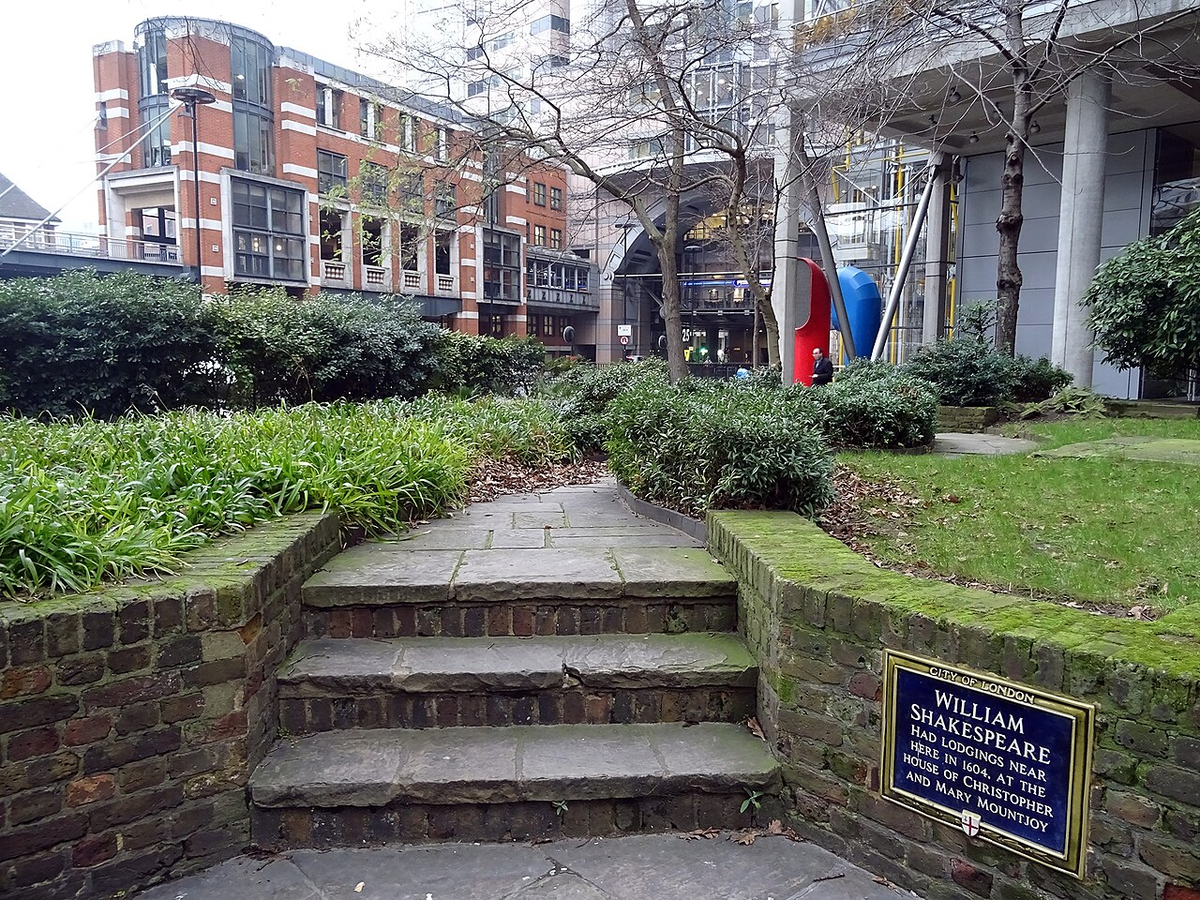
Mountjoy was a tire maker living in the Cripplegate Ward of London, a place where Shakespeare had lodged for some time. As a former tenant, Shakespeare was familiar with both parties and their household dynamics. The court sought to clarify the details and promises made concerning the dowry and financial agreements that were intended to support the marriage.
Shakespeare's deposition involved him recounting his interactions and knowledge of the agreements made between the disputing parties. Although the court record indicates that Shakespeare's testimony was somewhat vague and he claimed to remember very few details, his involvement highlights the social circles he navigated beyond his literary endeavors.
The Bellott v Mountjoy case provides a unique glimpse into the personal associations and daily life of one of history's most celebrated playwrights. It also underscores the broader societal norms and legal practices of the time concerning marriage and financial settlements, contributing to the historical understanding of Early Modern England's legal framework.
#LegalHistory #ShakespeareWitness #EarlyModernEngland #CourtCases #MarriageSettlement #MoofLife
Primary Reference
Bellott v Mountjoy - Wikipedia
Explore the Life Moments of
 AI Twin