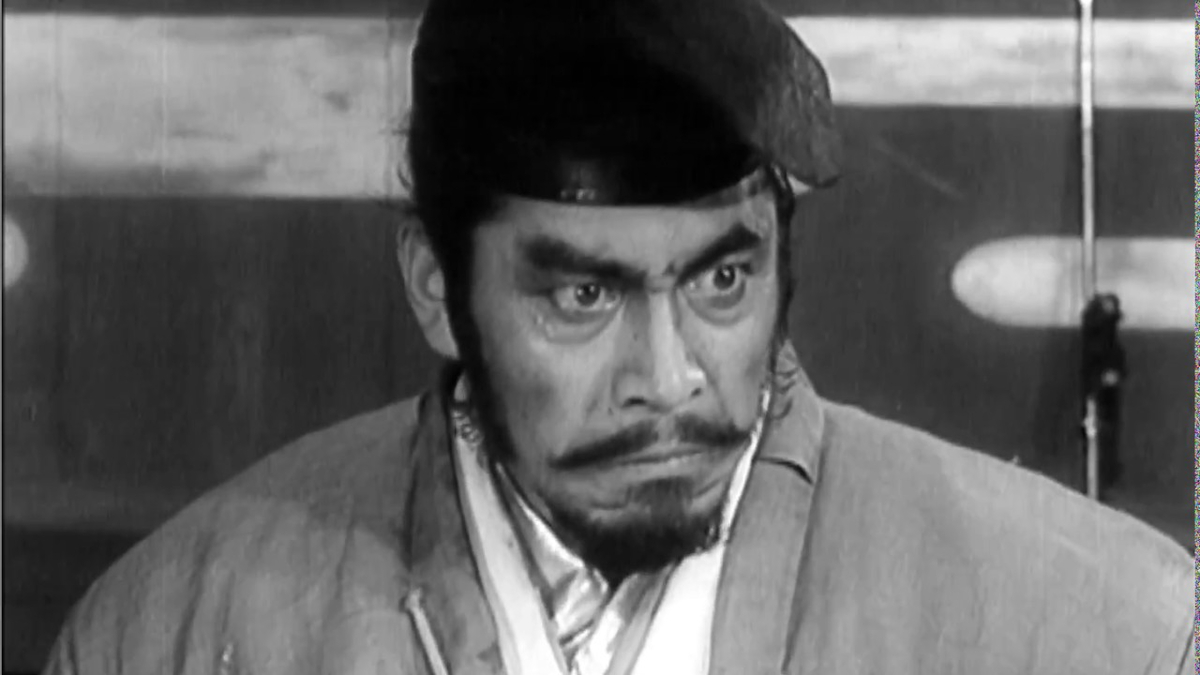
Akira Kurosawa’s 'Throne of Blood' adapts Shakespeare to samurai Japan, exploring universal themes creatively.
United KIngdom
Entertainment
Cultural Adaptation
4 min read
Updated By: History Editorial Network (HEN)
Published:
Updated:
Akira Kurosawa adapted William Shakespeare's 'Macbeth' into the film 'Throne of Blood'. This adaptation took the classic story of power and ambition and set it in the samurai era of Japan. Rather than a direct translation, Kurosawa artfully integrated Japanese Noh theatre elements. The resulting film managed to retain the essence of Shakespeare's original play while making it accessible and relevant to Japanese audiences.
'Throne of Blood' became notable for its fidelity to the themes of the source material and Kurosawa's ability to cross cultural boundaries. By translating the story into a feudal Japanese context, he demonstrated the universal appeal of Shakespeare's works. The film was a critical success and is often held in high regard by scholars and film aficionados. It reinforced the idea that Shakespeare's exploration of human nature and societal issues transcends geographical and cultural borders.
The production was also notable for its stylistic decisions, particularly the strategic use of fog and the meticulous choreography. These elements added to the atmospheric tension and overarching doom that defined the narrative. Kurosawa's embodiment of 'Macbeth' in a samurai setting detailed the destructive potential of unchecked ambition, resonating with audiences far beyond Japan.
'Throne of Blood' contributed significantly to the global discourse on Shakespearean adaptations, promoting further exploration of the playwright’s work in various cultural contexts. It remains a critical case study in the intersection of classic literature and film, influencing future adaptations and studies of cross-cultural films.
#AkiraKurosawa #ThroneOfBlood #WilliamShakespeare #FilmAdaptation #CrossCulturalFilm #UniversalAppeal #ShakespeareInFilm #MoofLife

Explore the Life Moments of
 AI Twin