Woolf's Tragic Final Act of Drowning
United Kingdom
Literature
Biography
Tragedy
4 min read
Updated By: History Editorial Network (HEN)
Published:
Updated:
Virginia Woolf's tragic decision to end her life by drowning in the River Ouse was influenced by a combination of personal and societal factors. Woolf had long battled mental health issues, which were intensified by the pressures of the Second World War. The war not only brought about a sense of despair but also led to the destruction of her London home during the Blitz, further contributing to her emotional turmoil. Additionally, the reception of her biography of Roger Fry was less than favorable, adding to her feelings of isolation and inadequacy. In her final moments, Woolf walked into the river with a stone in her pocket, a poignant act that reflected her deep-seated struggles. Her body was discovered weeks later, and her cremated remains were interred beneath an elm tree at Monk's House, her residence in Sussex, a place that had been a refuge for her creativity and personal life.
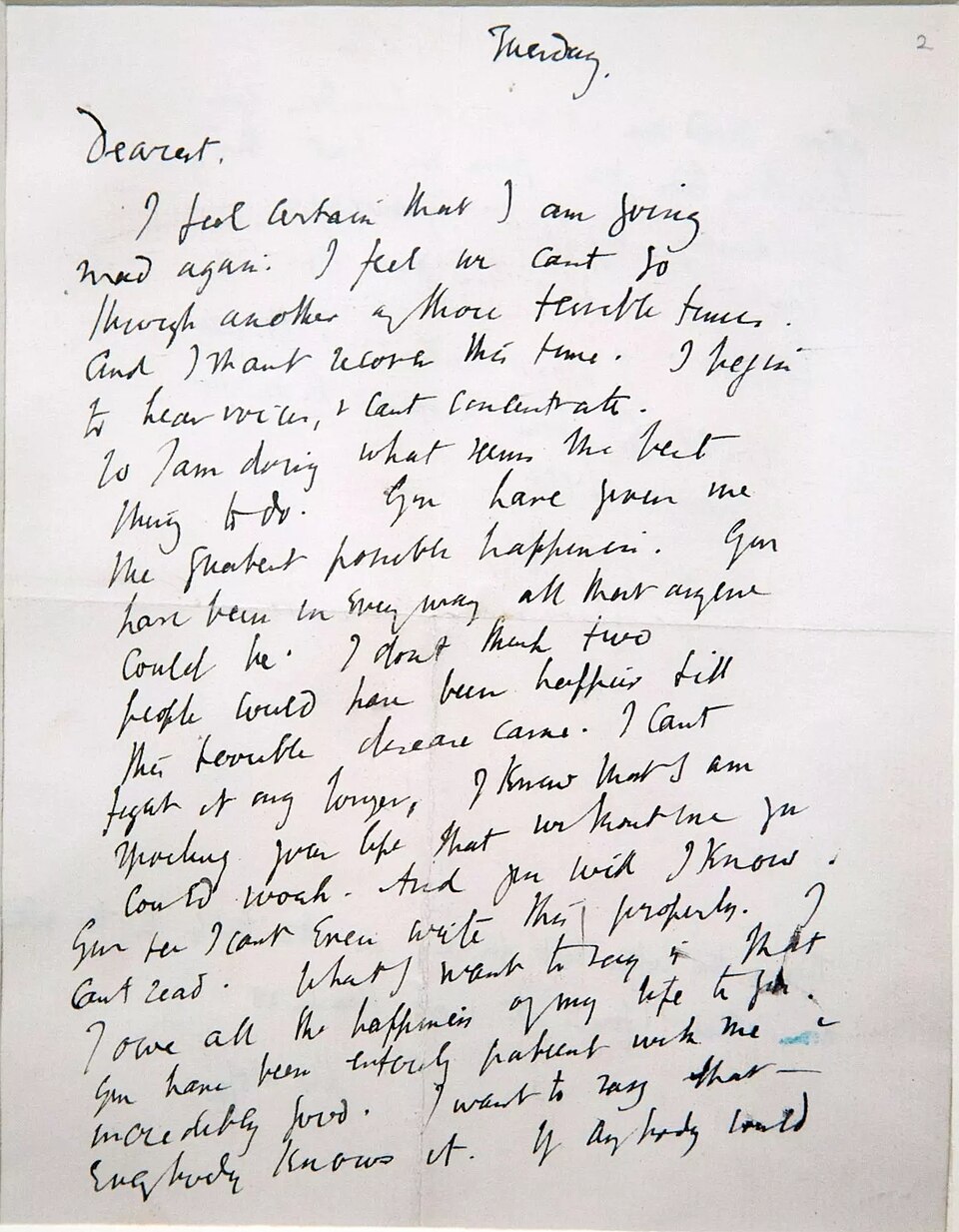
Woolf's suicide note to her husband, Leonard Woolf, revealed her profound sense of despair and her fear of relapsing into madness. She expressed gratitude for the joy he had brought into her life but felt that her continued existence would only bring him suffering. This tragic event not only marked the end of Woolf's life but also highlighted the broader issues of mental health, particularly in the context of war and societal pressures. Woolf's legacy as a pioneering modernist writer continues to resonate, and her struggles have sparked discussions about the importance of mental health awareness and support. The impact of her work and her tragic end serve as a reminder of the complexities of the human experience, particularly for those grappling with mental illness.
#mooflife
#MomentOfLife
#VirginiaWoolf
#MentalHealth
#Suicide
#ModernistLiterature
#RiverOuse

Explore the Life Moments of
 AI Twin