Woolf's Critique of Fascism in Three Guineas
United Kingdom
Literature
Feminism
4 min read
Updated By: History Editorial Network (HEN)
Published:
Updated:
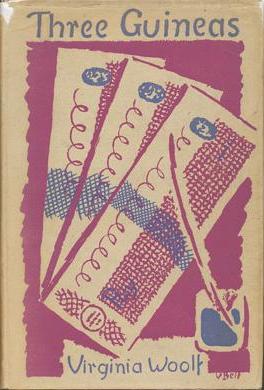
Virginia Woolf's 'Three Guineas' serves as a critical examination of fascism and the patriarchal structures that underpin societal violence. In this work, Woolf articulates her concerns regarding the rise of fascist ideologies and their implications for women and society at large. She argues that both fascism and patriarchy share a common foundation in the enforcement of repressive norms, which often manifest through violence and oppression. Woolf's critique is not limited to the political landscape; she also addresses the broader implications of these ideologies on women's rights and freedoms. By linking the fight against fascism with the struggle for gender equality, Woolf emphasizes the interconnectedness of these issues, suggesting that the liberation of women is essential to combating totalitarian regimes.
The impact of 'Three Guineas' extends beyond its immediate critique of fascism. Woolf's arguments resonate with contemporary discussions about the role of women in political movements and the necessity of inclusive approaches to social justice. The book challenges readers to consider how societal structures perpetuate violence and discrimination, urging a reevaluation of traditional power dynamics. Woolf's insights remain relevant, as they encourage ongoing dialogue about the intersections of gender, politics, and violence. The work has been influential in feminist literature, prompting critical discussions about the implications of patriarchal systems and the importance of women's voices in political discourse. Woolf's legacy continues to inspire activists and scholars who seek to address the complexities of oppression in various forms.
#mooflife
#MomentOfLife
#VirginiaWoolf
#ThreeGuineas
#FeministLiterature
#Fascism
#Patriarchy
Primary Reference
Three Guineas

Explore the Life Moments of
 AI Twin