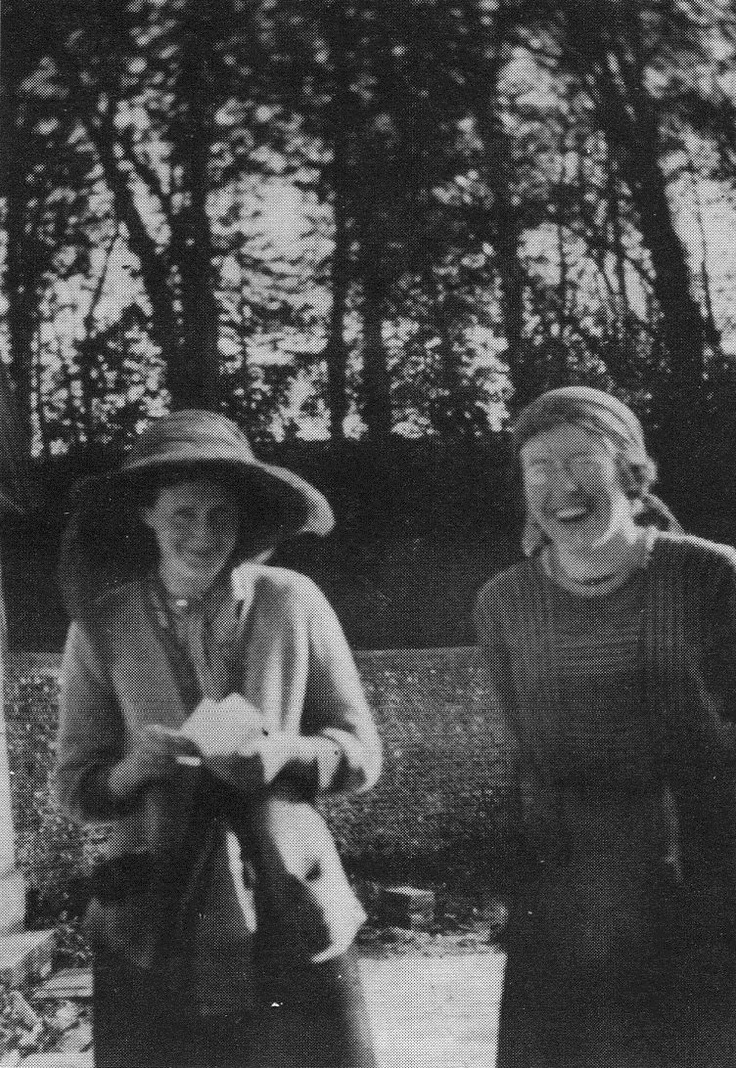
Virginia Woolf finds Asham House
United Kingdom
Literature
Architecture
3 min read
Updated By: History Editorial Network (HEN)
Published:
Updated:
Virginia Woolf, along with her husband Leonard Woolf, discovered Asham House in the Sussex region, which became a significant part of her life and work. The house, characterized by its Regency-Gothic architecture, was situated in a remote area, lacking modern amenities such as electricity and running water. This isolation contributed to the house's unique atmosphere, which was further enhanced by local legends of it being haunted. Woolf and her sister Vanessa took a joint lease on the property, marking the beginning of their shared experiences in this setting. The sisters hosted two housewarming parties shortly after moving in, indicating their desire to establish a social connection in their new environment. Asham House not only served as a residence but also as a creative retreat for Woolf, influencing her literary output during her time there. The tranquil surroundings of Sussex provided Woolf with inspiration, allowing her to explore themes of solitude and introspection in her writing. The house became a sanctuary where she could engage with her thoughts and craft her narratives, contributing to her development as a prominent figure in modernist literature. Woolf's connection to Asham House and the surrounding landscape remained strong throughout her life, reflecting her deep appreciation for the natural world and its impact on her creative process.
#mooflife
#MomentOfLife
#VirginiaWoolf
#AshamHouse
#Sussex
#ModernistLiterature
#Regency-gothicArchitecture
Primary Reference
Virginia Woolf

Explore the Life Moments of
 AI Twin