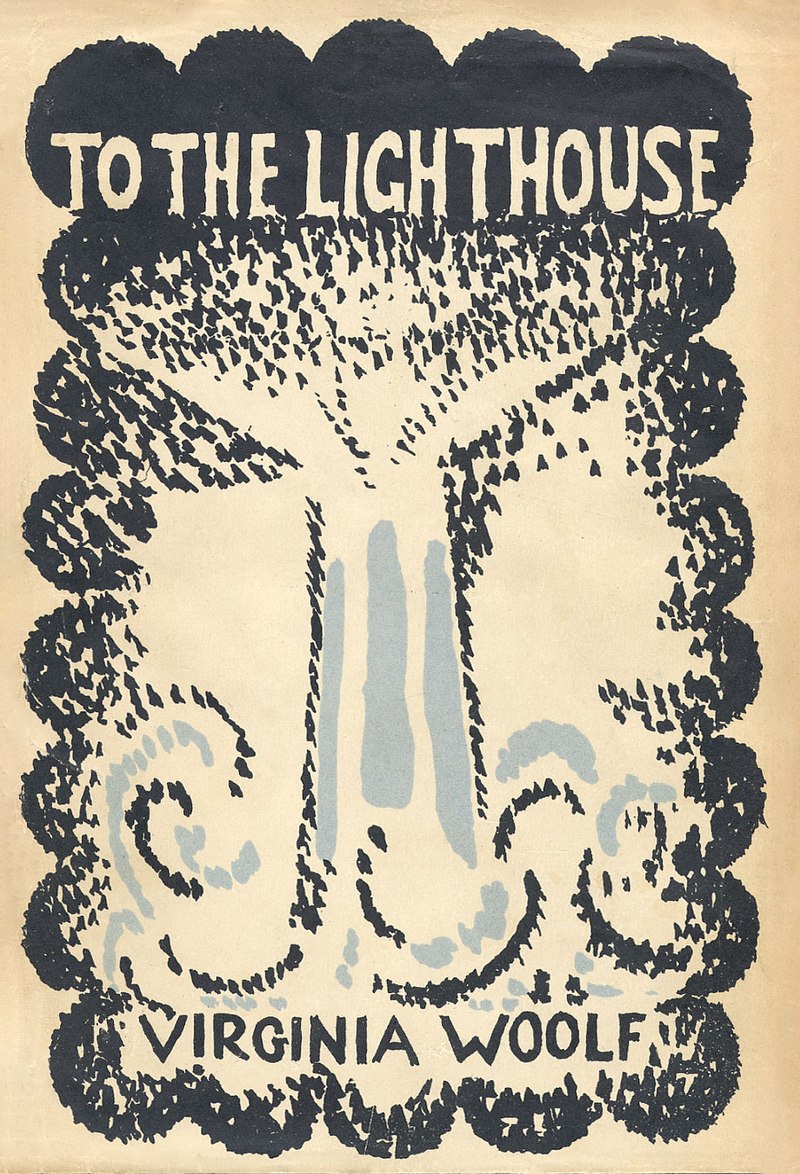
Publication of 'To the Lighthouse'
United Kingdom
Literature
Modernist Literature
20th Century Novels
4 min read
Updated By: History Editorial Network (HEN)
Published:
Updated:
The publication of 'To the Lighthouse' marked a pivotal moment in the literary career of Virginia Woolf. This novel is often regarded as one of her most important works, showcasing her innovative narrative techniques and deep exploration of human consciousness. Woolf's writing in 'To the Lighthouse' reflects her interest in the inner lives of her characters, employing stream-of-consciousness as a method to delve into their thoughts and emotions. The novel is structured around the Ramsay family's visits to the Isle of Skye in Scotland, interweaving themes of time, memory, and the complexities of relationships. Woolf's ability to capture the subtleties of human experience has made this work a significant contribution to modernist literature.
The impact of 'To the Lighthouse' extends beyond its narrative style; it has influenced countless writers and has been the subject of extensive literary analysis. The novel's exploration of gender roles and the female experience resonates with feminist literary criticism, particularly in its portrayal of the character Lily Briscoe, who challenges traditional notions of art and femininity. Woolf's work has been recognized for its profound insights into the nature of existence and the passage of time, making 'To the Lighthouse' a staple in academic discussions of modernist literature. The novel's enduring relevance is reflected in its continued study in literature courses and its adaptation into various artistic forms, including film and theater.
#mooflife
#MomentOfLife
#VirginiaWoolf
#ToTheLighthouse
#ModernistLiterature
#FeministLiteraryCriticism
#Stream-of-consciousness
Primary Reference
To the Lighthouse

Explore the Life Moments of
 AI Twin