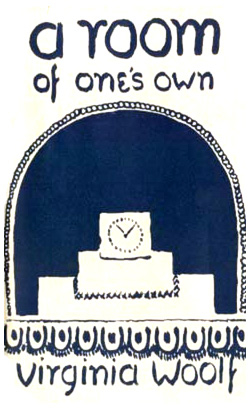
Publication of A Room of One's Own
United Kingdom
Literature
Feminism
3 min read
Updated By: History Editorial Network (HEN)
Published:
Updated:
Virginia Woolf's essay, A Room of One's Own, explores the relationship between women and creativity, particularly in the context of historical oppression. Woolf argues that the societal constraints placed on women have stifled their artistic expression and intellectual contributions. She draws a parallel between the historical accusations of witchcraft against women and the suppression of female writers. By referencing the persecution of women labeled as witches, Woolf suggests that these women may have been lost talents, such as novelists or poets, who were never given the opportunity to express their creativity. This connection highlights the broader theme of how societal norms and gender roles have historically marginalized women's voices in literature and the arts.
The impact of A Room of One's Own has been profound, influencing feminist literary criticism and the discourse surrounding women's rights. Woolf's assertion that a woman must have financial independence and a space of her own to write has resonated with generations of women seeking to carve out their own identities in a male-dominated society. The essay has been cited in discussions about gender equality in literature and has inspired numerous writers and activists to advocate for women's access to education and creative freedom. Woolf's work remains a critical text in understanding the historical context of women's literature and the ongoing struggle for gender equality in the arts.
#mooflife
#MomentOfLife
#VirginiaWoolf
#ARoomOfOne'sOwn
#Feminism
#Women'sLiterature
#GenderEquality
Primary Reference
A Room of One's Own

Explore the Life Moments of
 AI Twin