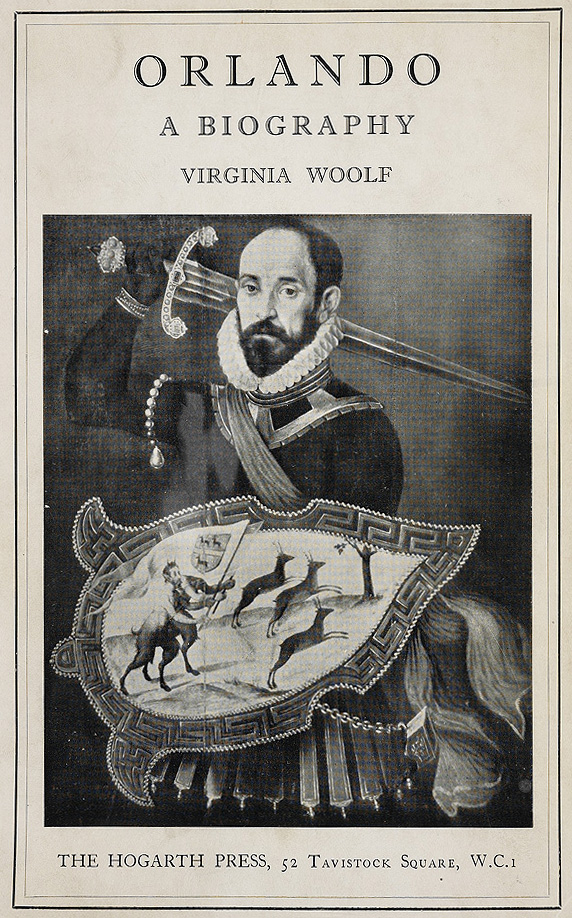
'Orlando' published
United Kingdom
Literature
Biography
Feminism
4 min read
Updated By: History Editorial Network (HEN)
Published:
Updated:
Virginia Woolf's novel Orlando, published in October 1928, is a groundbreaking exploration of gender identity and the fluidity of self. The narrative follows the life of Orlando, a character who changes gender from male to female, traversing several centuries of English history. This transformation serves as a vehicle for Woolf to examine the constraints of gender roles and societal expectations. The character's journey reflects Woolf's own views on the complexities of identity, influenced by her experiences and the feminist movements of her time. Woolf's innovative narrative style, which blends biography, history, and fiction, challenges traditional storytelling and invites readers to reconsider the nature of identity itself. The novel is often regarded as a precursor to modern discussions on gender and sexuality, making it a pivotal work in both literary and feminist studies.
The impact of Orlando extends beyond its narrative; it has sparked extensive academic discourse and has been influential in various fields, including gender studies and queer theory. Woolf's portrayal of Orlando's fluid identity resonates with contemporary discussions about the spectrum of gender and the importance of self-definition. The novel's structure, which defies linear storytelling, mirrors the complexities of human experience and identity. Woolf's work has been recognized for its contribution to the understanding of gender as a social construct rather than a fixed binary. Orlando remains a vital text for those exploring the intersections of literature, identity, and societal norms, highlighting the ongoing relevance of Woolf's insights in today's discussions about gender and identity.
#mooflife
#MomentOfLife
#VirginiaWoolf
#Orlando
#GenderIdentity
#Feminism
#LiteraryAnalysis
Primary Reference
Orlando: A Biography

Explore the Life Moments of
 AI Twin