Essay 'Am I a Snob?' published
United Kingdom
Literature
Social Critique
Class Studies
4 min read
Updated By: History Editorial Network (HEN)
Published:
Updated:
In the essay "Am I a Snob?", Virginia Woolf reflects on her own social standing and the implications of her privileged background. Woolf, who belonged to an elite class, critically analyzes the values and behaviors that characterize her social circle. She confronts the notion of snobbery, recognizing that her upbringing has shaped her perceptions and interactions with others. This self-examination leads her to the conclusion that she embodies the traits of a snob, despite her awareness of the class disparities that exist in society. Woolf's critique extends beyond personal reflection; she addresses the broader class structure of Britain, highlighting the inherent inequalities and the moral dilemmas faced by those in privileged positions. Her candid acknowledgment of her elitism serves as a foundation for her critique of societal norms and expectations, prompting readers to consider the complexities of class identity and the responsibilities that come with privilege.
The impact of Woolf's essay resonates with ongoing discussions about class and social stratification. By openly identifying as a snob, she invites a dialogue about the implications of privilege and the often-unrecognized biases that accompany it. Woolf's work has inspired both criticism and support, as readers grapple with the uncomfortable truths about class dynamics. Her exploration of snobbery is not merely a personal confession but a call to examine the societal structures that perpetuate inequality. The essay remains relevant in contemporary discourse, as it challenges individuals to reflect on their own positions within the class system and the ways in which privilege can distort perceptions and relationships. Woolf's insights continue to provoke thought about the intersection of class, identity, and morality, making "Am I a Snob?" a significant contribution to the conversation about social class and its implications in society.
#mooflife
#MomentOfLife
#VirginiaWoolf
#AmIASnob
#ClassStructure
#SocialCritique
#Privilege
Primary Reference
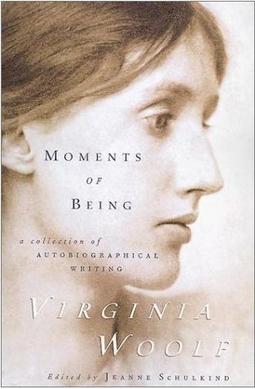
Moments of Being

Explore the Life Moments of
 AI Twin