Despair Leads to Purchase of Round House
United Kingdom
Real Estate
Personal Stories
4 min read
Updated By: History Editorial Network (HEN)
Published:
Updated:
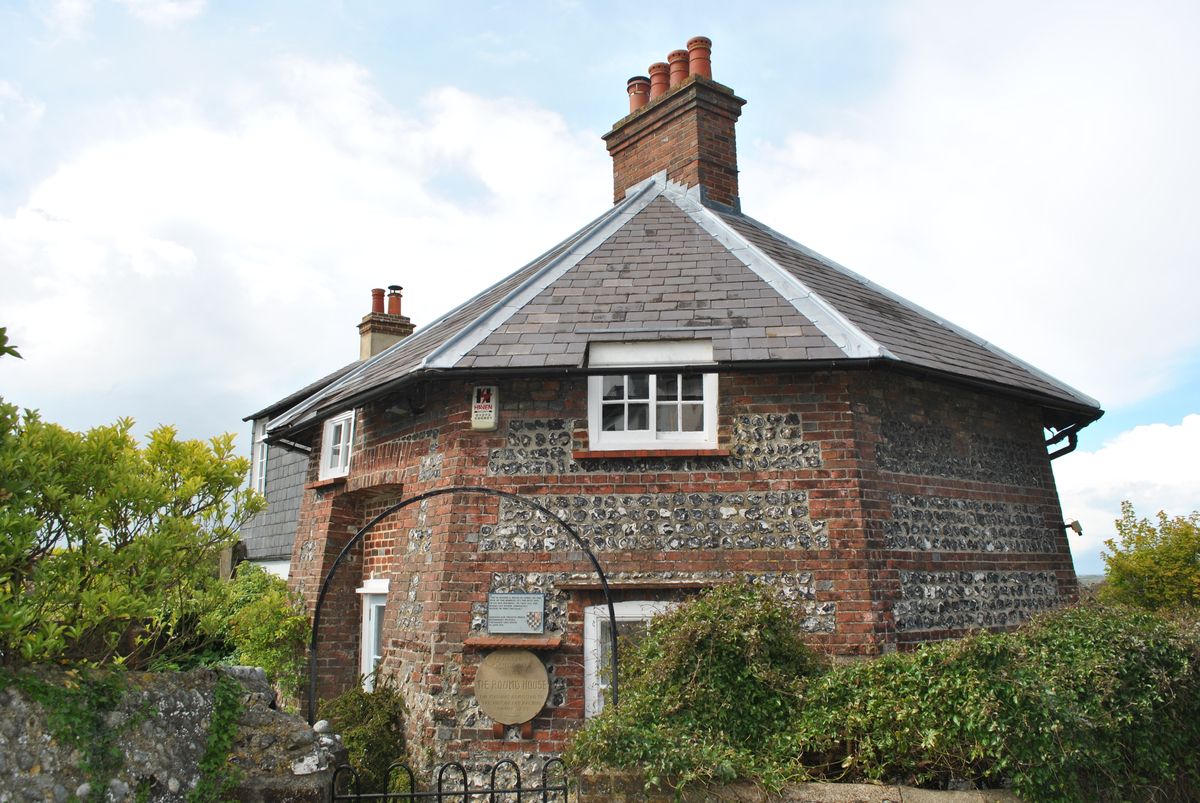
The Woolfs, Virginia and Leonard, faced significant challenges during the World War I era, which included a period spent in Asham. Following the war, they were compelled to vacate their residence in Asham due to the owner's requirements. In a state of despair, they made the decision to purchase the Round House located in Lewes. This acquisition marked a pivotal moment in their lives, as it provided them with a new space to create and reflect amidst the turmoil of the post-war environment. However, shortly after acquiring the Round House, an opportunity arose when Monk's House in nearby Rodmell was put up for auction. This weatherboarded house, characterized by its oak-beamed rooms, was believed to have origins dating back to the 15th or 16th century. The Woolfs recognized the potential of Monk's House and subsequently sold the Round House to secure their new home.
Monk's House would eventually become the Woolfs' permanent residence, especially after their London home was damaged during the bombings. The transition from the Round House to Monk's House not only represented a change in location but also a shift in their creative and personal lives. Monk's House provided a sanctuary for the Woolfs, allowing them to continue their literary pursuits in a more tranquil setting. The impact of these moves was profound, as Monk's House became a significant site for their writing and intellectual discussions, shaping their contributions to literature and modernist thought. The Woolfs' journey from despair to the purchase of their new home illustrates the resilience and adaptability that characterized their lives during a tumultuous period.
#mooflife
#MomentOfLife
#VirginiaWoolf
#LeonardWoolf
#RoundHouse
#Monk'sHouse
#ModernistLiterature
Primary Reference
Virginia Woolf’s Round House and Lewes Priory

Explore the Life Moments of
 AI Twin