Death of Virginia Woolf's Mother
United Kingdom
Family Health
Historical Events
Mental Well-being
3 min read
Updated By: History Editorial Network (HEN)
Published:
Updated:
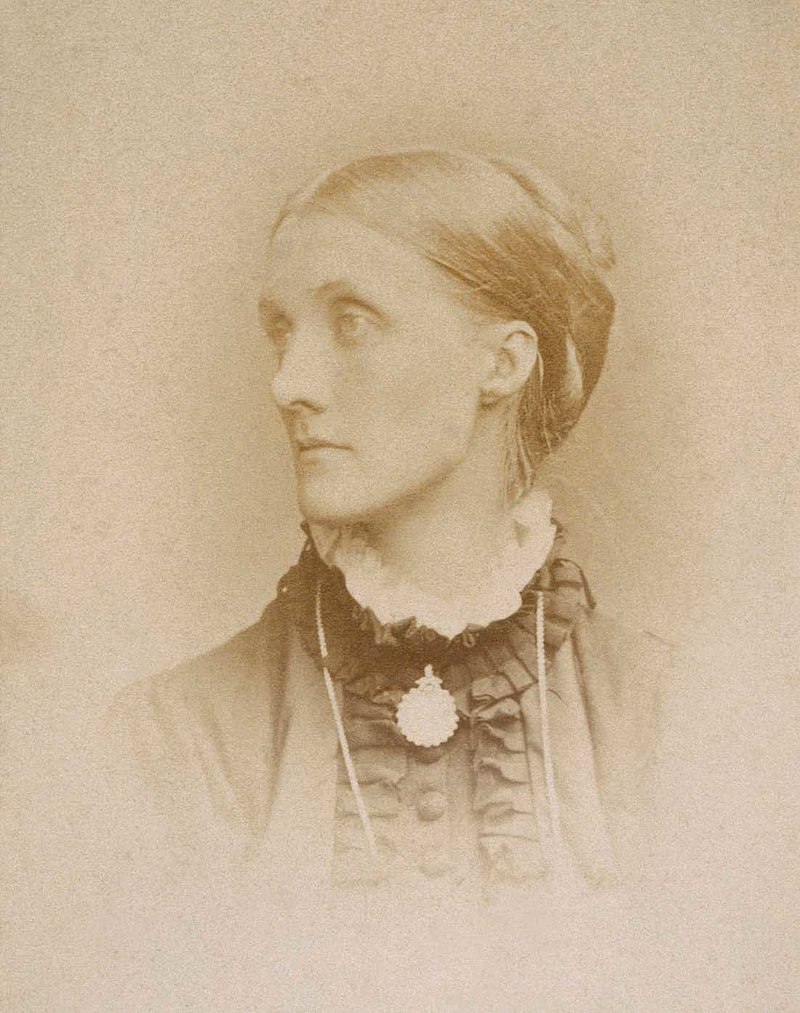
The death of Virginia Woolf's mother marked a pivotal moment in her early life, described by Woolf as 'the greatest disaster that could happen.' This loss had profound implications for her mental health and emotional stability. Following her mother's passing, the family doctor, Dr. Seton, recommended a regimen of rest and a cessation of lessons and writing to help Woolf cope with the grief. He also advised regular walks under the supervision of her sister, Stella, to provide some structure and support during this tumultuous time. The impact of this loss was compounded two years later when Stella also died, leading Woolf to express a desire for death at the young age of 15. This early experience of loss and grief would later influence her literary work, particularly in her novel 'To the Lighthouse,' where themes of time and loss are explored in depth. Woolf's reflections on her mother's death and its aftermath reveal the deep emotional scars that shaped her identity and creative expression throughout her life.
#mooflife
#MomentOfLife
#VirginiaWoolf
#Mother'sDeath
#LiteraryInfluence
#MentalHealth
#Grief
Primary Reference
Julia Stephen

Explore the Life Moments of
 AI Twin