Van Gogh's Breakthrough: Durand-Ruel Gallery Accepts his Paintings, Transforming his Artistic Legacy
Netherlands
Art
4 min read
Updated By: History Editorial Network (HEN)
Published:
Updated:
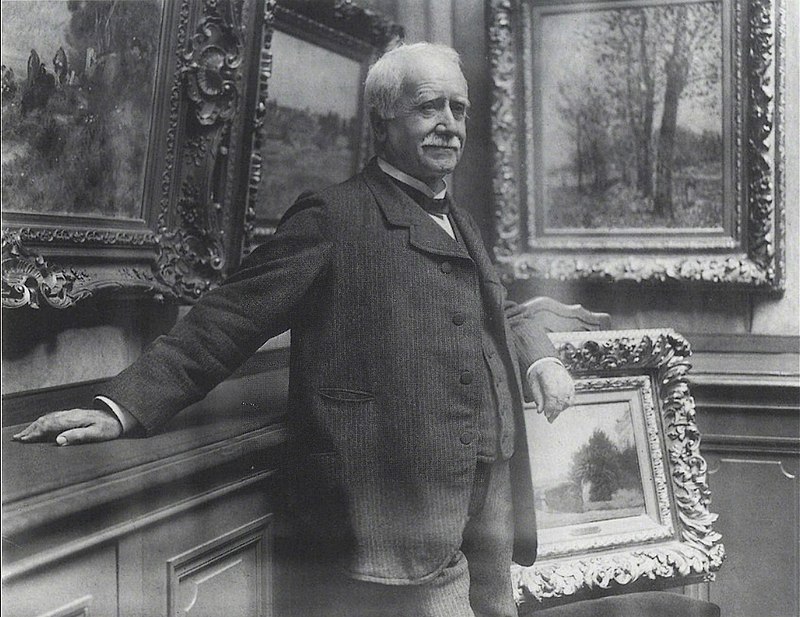
In the late 19th century, the art world saw a transformative event when the Durand-Ruel Gallery in Paris accepted ten of Vincent van Gogh's paintings on consignment. This marked a pivotal moment for Van Gogh, an artist whose work had largely gone unrecognized during his lifetime. The Durand-Ruel Gallery, established by Paul Durand-Ruel, was a significant influence in the promotion of Impressionist artists. By this time, it had built a reputation for supporting artists whose work diverged from traditional artistic norms.
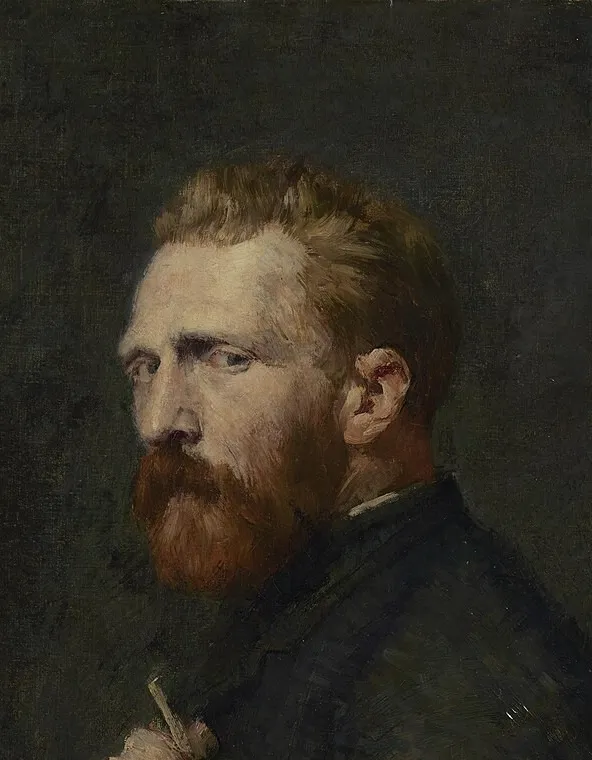
Van Gogh, known for his bold colors and emotional depth, had struggled to find an audience. His mental health and financial struggles further complicated his career. However, the decision of Durand-Ruel to take his paintings was a vote of confidence in Van Gogh’s talent and a move towards broader acceptance of his work within the art community.
The placement of Van Gogh's paintings in such a prominent gallery allowed for greater visibility amongst art buyers and critics. This consignment was instrumental in gradually shifting the perception of Van Gogh's work from eccentric and unappreciated to pioneering and valuable. Although immediate commercial success for Van Gogh was not achieved, this event contributed significantly to the posthumous recognition and admiration of his oeuvre.
Statistics show that Van Gogh's paintings have since become some of the most highly valued and sought-after in the world. Exhibitions featuring his works draw large crowds, and auction sales reach record prices, with some pieces selling for tens of millions of dollars. The initial act of taking his paintings on consignment at Durand-Ruel Gallery played a critical role in setting this legacy into motion.
#ArtHistory #VanGogh #DurandRuelGallery #PaintingsOnConsignment #MoofLife
Explore the Life Moments of
 AI Twin