Van Gogh's Artistic Genesis: Sketching Life in Cuesmes
Netherlands
Art
4 min read
Updated By: History Editorial Network (HEN)
Published:
Updated:
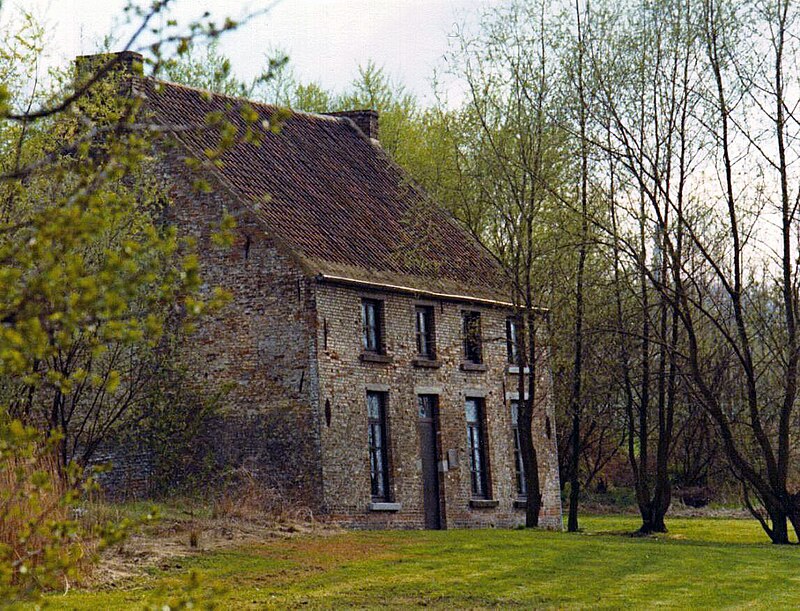
Vincent van Gogh returned to Cuesmes, a small coal mining town, after experiencing a period of instability in his life. He had recently ended his position as a lay preacher in the Borinage region, close to Cuesmes, due to his intensely empathetic but unconventional methods, which led to confrontations with church authorities. Van Gogh’s brother, Theo, a steadfast supporter, encouraged Vincent to take up drawing again, recognizing the potential therapeutic and professional benefits.
In Cuesmes, van Gogh began to immerse himself in drawing daily life, landscapes, and the struggles of the working-class people around him. This period marked the formal commencement of his artistic journey. By focusing on sketching miners, rural settings, and interiors, he started developing foundational skills that would later define his style. His drawings from this period depict raw realism, showcasing the harsh conditions faced by the laborers and their environment.
During this phase, van Gogh produced an extensive volume of sketches and drawings. These works laid the groundwork for his future evolution as an artist. While many of these early pieces remained unrefined, they illustrate his growing understanding of light, shadow, perspective, and anatomy. Additionally, the bond with Theo strengthened as they corresponded more frequently, with Theo offering guidance, encouragement, and financial aid.
The decision to pursue art marked a turning point in van Gogh’s life, initiating a shift from his earlier vocational pursuits toward what would become his lifelong passion. These early experiences, particularly his exposure to industrial hardship and the miner’s plight, profoundly influenced his artistic vision and themes.
#VincentvanGogh #ArtCareer #TheoSupport #Cuesmes #EarlyDrawings #LifeChange #MoofLife
Explore the Life Moments of
 AI Twin