Nazi looting: Van Gogh art stolen from Jewish collectors, impact on cultural heritage.
Netherlands
Political
Global Trade
4 min read
Updated By: History Editorial Network (HEN)
Published:
Updated:
During the Nazi period, a significant number of Vincent van Gogh's artworks were looted from Jewish collectors. The confiscation of art was part of a broader campaign of cultural plunder conducted by the Nazi regime, targeting both public and private collections. This operation was driven by a desire to enrich the regime's art collections and further the Nazi ideology, which sought to eliminate the influence of Jewish culture and commerce.
Jewish art collectors, some of whom were prominent figures in the art world, owned important works by Van Gogh. As the Nazis rose to power, these collectors faced intense persecution and were often forced to flee their homes. Many were compelled to sell their artworks under duress or had their collections outrightly confiscated. The looted art was either sold on the black market, kept by high-ranking officials, or displayed in museums that aligned with Nazi aesthetics.
The impact of these actions reverberated through the art world. The dispersal and concealment of these works disrupted the provenance of many significant pieces. Efforts to catalog and repatriate the stolen art have continued for decades. The loss of masterpieces affected both the descendants of the original owners and the broader public, depriving them of cultural and historical heritage. Some Van Gogh pieces have resurfaced in recent times, leading to complex legal battles over their rightful ownership.
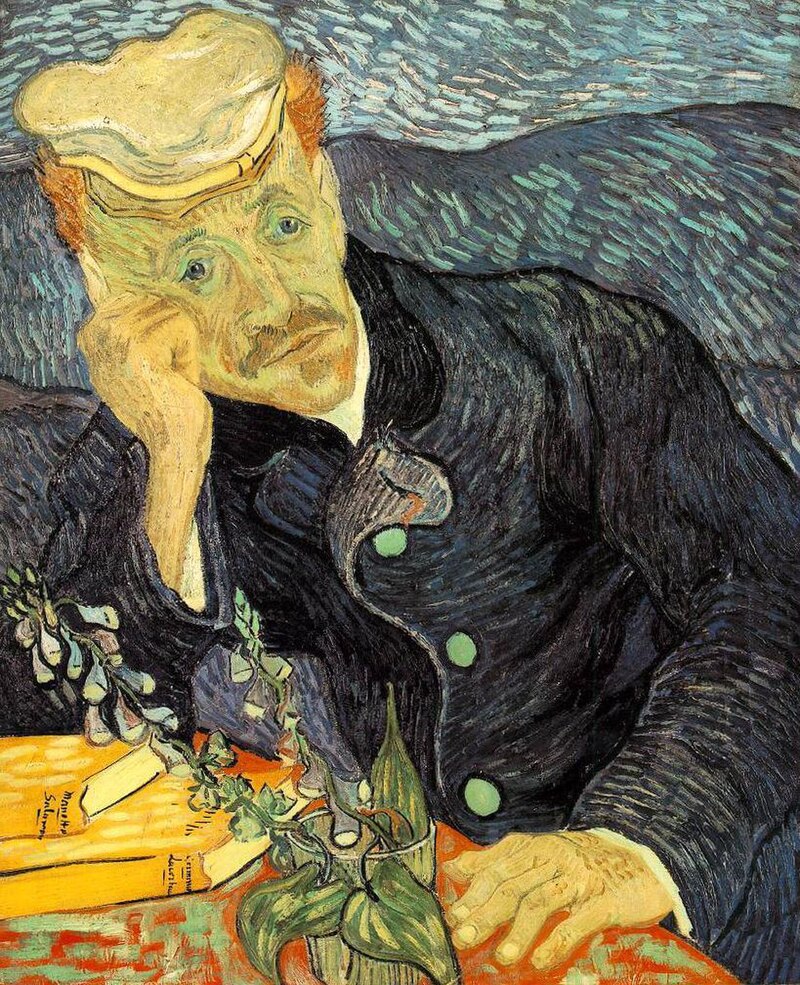
One notable case involves Van Gogh’s "Portrait of Dr. Gachet," which has a complex history involving multiple owners. The painting became emblematic of the far-reaching impact of Nazi art theft, illustrating the tangled journey many artworks have undergone.
#VanGoghLooted #NaziPeriod #CulturalHeritage #JewishCollectors #ArtHistory #Restitution #MoofLife
Explore the Life Moments of
 AI Twin