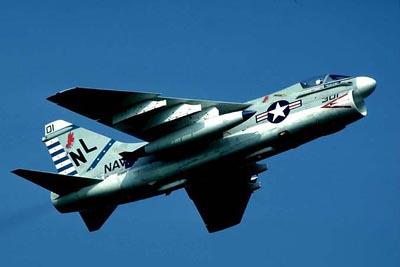
US Navy Launches Operation Pocket Money
Vietnam
Military
Navy
4 min read
Updated By: History Editorial Network (HEN)
Published:
Updated:
Operation Pocket Money was an aerial mining campaign launched by the US Navy targeting Haiphong Harbor. The primary objective of this operation was to disrupt the supply lines of North Vietnam, particularly to hinder the resupply of weapons and military resources from its allies. By deploying mines in the harbor, the US aimed to create significant obstacles for enemy vessels, thereby impacting the flow of military supplies crucial for North Vietnam's war efforts. The operation was part of a broader strategy to exert pressure on North Vietnam during a critical phase of the conflict, as the US sought to leverage its naval capabilities to influence the outcome of the war. The mining campaign was designed to be a tactical maneuver that would not only restrict maritime traffic but also send a clear message regarding US military resolve in the region. The effectiveness of the operation was measured by the extent to which it succeeded in limiting the logistical support available to North Vietnamese forces, which was vital for sustaining their military operations against US and allied forces. The operation also highlighted the strategic importance of Haiphong Harbor as a key logistical hub for North Vietnam, underscoring the interconnectedness of maritime operations and land-based military campaigns during the conflict. Overall, Operation Pocket Money represented a significant escalation in the US Navy's involvement in the Vietnam War, showcasing the use of aerial mining as a tool for achieving military objectives.
#mooflife
#MomentOfLife
#OperationPocketMoney
#UsNavy
#VietnamWar
#HaiphongHarbor
#AerialMiningCampaign

Explore the Life Moments of
 AI Twin