Carter's Pardon for Vietnam Draft Evaders
Vietnam
Politics
3 min read
Updated By: History Editorial Network (HEN)
Published:
Updated:
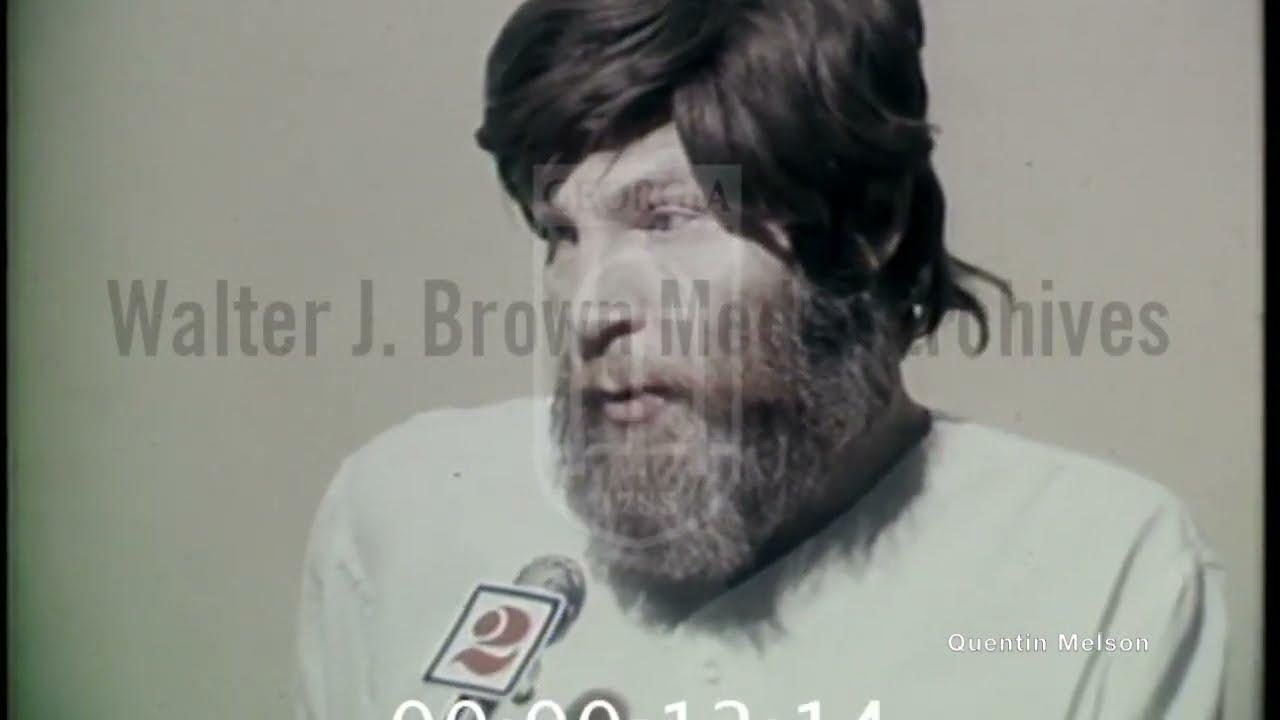
During the Vietnam War, the United States faced significant challenges related to military service, including drug use, racial tensions, and incidents of fragging, where servicemen attempted to harm their officers. These issues contributed to a notable decline in military effectiveness. In response to the draft, approximately 125,000 Americans fled to Canada to avoid conscription, while around 50,000 servicemen deserted. The draft evasion became a contentious topic, reflecting the deep divisions within American society regarding the war. In an effort to address the grievances of those who resisted the draft, President Jimmy Carter issued Proclamation 4483, which granted an unconditional pardon to Vietnam draft evaders. This decision aimed to heal the divisions caused by the war and to reintegrate those who had evaded the draft back into society without the burden of legal repercussions. Carter's pardon was part of a broader initiative to promote national reconciliation and to acknowledge the complexities surrounding the Vietnam War experience. The impact of this pardon was significant, as it allowed many individuals to move forward without the stigma of draft evasion, fostering a sense of closure for those affected by the war's divisive nature. The decision also sparked discussions about the moral implications of the draft and the responsibilities of citizenship, influencing public perception of military service and government authority.
#mooflife
#MomentOfLife
#VietnamWar
#DraftEvasion
#JimmyCarter
#Pardon
#Proclamation4483
Explore the Life Moments of
 AI Twin