Widespread Adoption of Programming Languages
Programming Languages
Computer Game Development
Technology Evolution
4 min read
Updated By: History Editorial Network (HEN)
Published:
Updated:
The widespread adoption of programming languages in the 1970s marked a pivotal shift in the accessibility of computer programming. High-level languages such as BASIC and C gained popularity, making it easier for individuals without extensive technical backgrounds to engage in programming. This accessibility opened the door for a broader audience to participate in computer game creation, which had previously been limited to those familiar with more complex languages like FORTRAN and COBOL. The introduction of time-sharing systems allowed multiple users to access computer resources simultaneously, further democratizing programming and enabling students and hobbyists to develop their own games. This shift not only fostered creativity but also contributed to the growth of a new industry centered around computer games.
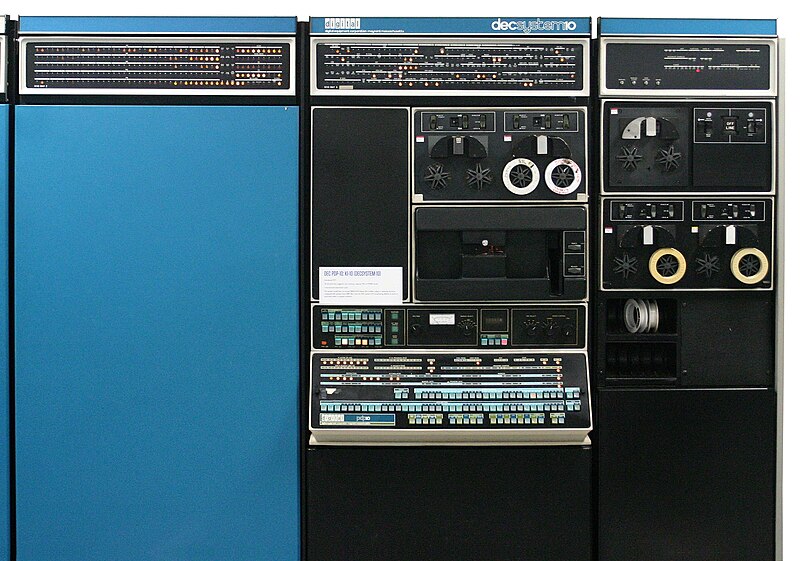
The adoption of the PDP-10 and the UNIX operating system played a crucial role in establishing common programming environments. These systems facilitated the sharing of programs and resources between institutions, reducing barriers to collaboration and innovation. As a result, a community of programmers emerged, exchanging ideas and code, which accelerated the development of new applications and games. The impact of these changes was profound, as they laid the groundwork for the software development practices and programming communities that exist today. The increased accessibility of programming languages during this period not only transformed the landscape of computer science but also set the stage for the future growth of technology and digital entertainment.
#mooflife
#MomentOfLife
#ProgrammingLanguages
#Basic
#CLanguage
#ComputerGames
#UnixOperatingSystem

Explore the Life Moments of
 AI Twin