Release of Nintendo Wii U
Video Game Consoles
Gaming Industry
Product Development
3 min read
Updated By: History Editorial Network (HEN)
Published:
Updated:
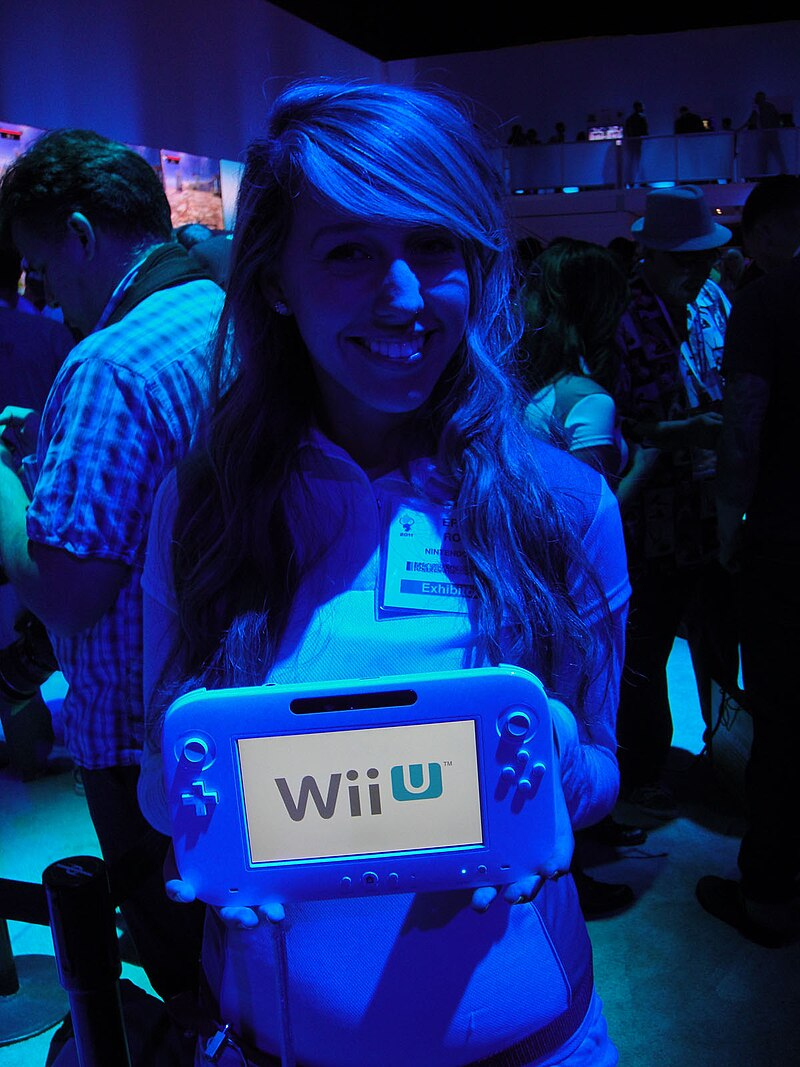
Nintendo developed the Wii U to attract core gamers, introducing a new console that featured a tablet-like GamePad. This GamePad included controls and a touchscreen display, which served as a second screen during gameplay. The Wii U also supported Wii Remote controllers and was backward compatible with Wii games, allowing players to access their existing game libraries. Despite these innovations, the Wii U struggled commercially compared to its predecessor, the Wii, which sold over 100 million units. In contrast, the Wii U managed to sell only about 13 million units throughout its lifetime.
The commercial failure of the Wii U can be attributed to several factors. One major issue was the marketing strategy, which did not effectively communicate the unique features and purpose of the GamePad. Many consumers perceived the Wii U as merely another tablet system rather than a distinct gaming console. Additionally, the lack of third-party support significantly impacted the console's success. After initial sales, third-party developers quickly withdrew their support, limiting the variety of available games and further diminishing the console's appeal. These challenges ultimately led to the Wii U being regarded as a less successful entry in Nintendo's console lineup, highlighting the importance of clear marketing and robust third-party partnerships in the gaming industry.
#mooflife
#MomentOfLife
#Nintendo
#WiiU
#GamingConsole
#VideoGameHistory
#ConsoleSales

Explore the Life Moments of
 AI Twin