Emergence of Graphical Adventure Games
Video Games
Game Development
Adventure Games
3 min read
Updated By: History Editorial Network (HEN)
Published:
Updated:
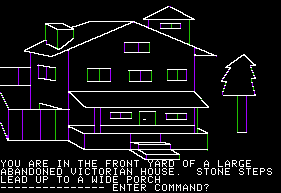
The emergence of graphical adventure games marked a pivotal shift in the gaming industry, transitioning from text-based experiences to visual storytelling. The first notable graphical adventure game, Mystery House, was developed by Sierra On-Line and utilized simple graphics in conjunction with text to enhance player engagement. This innovation allowed players to visualize their surroundings and interact with the game world in a more immersive manner. The combination of graphics and text provided a richer narrative experience, setting a precedent for future games in the genre. Additionally, the development of Rogue introduced the concept of randomized gameplay, which became a defining characteristic of the roguelike genre. This game was created by Glenn Wichman and Michael Toy, who sought to innovate upon the existing text adventure format exemplified by Colossal Cave Adventure. The introduction of these graphical elements and gameplay mechanics not only expanded the possibilities for storytelling in games but also attracted a broader audience, contributing to the growth of the gaming market.
#mooflife
#MomentOfLife
#GraphicalAdventureGames
#SierraOn-line
#MysteryHouse
#RoguelikeGenre
#VideoGameHistory

Explore the Life Moments of
 AI Twin