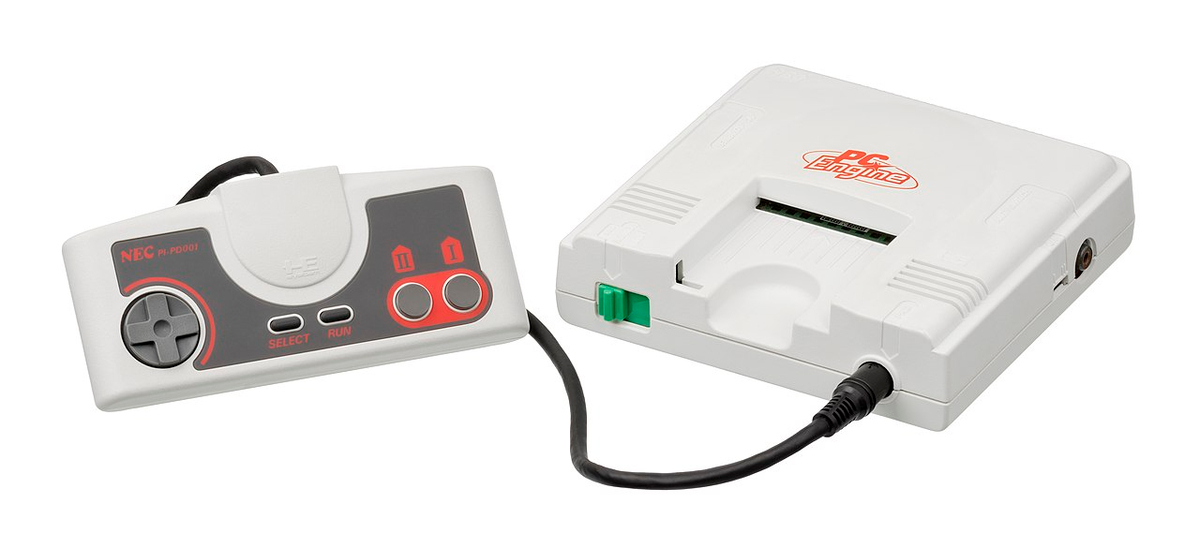
Release of NEC's PC Engine
Video Game Consoles
Technology History
Consumer Electronics
4 min read
Updated By: History Editorial Network (HEN)
Published:
Updated:
NEC's PC Engine, released in Japan, marked a pivotal moment in the evolution of video game consoles. Although it operated on an 8-bit CPU, the system was equipped with a 16-bit graphics adapter, which allowed it to deliver superior graphics compared to its contemporaries. This technical configuration was strategically marketed as a '16-bit' system, setting it apart from the 8-bit Nintendo Entertainment System (NES). This marketing approach not only helped NEC carve out a niche in the competitive gaming market but also initiated a trend known as the 'bit wars.' This era saw manufacturers emphasizing processor bit size as a primary selling point, influencing consumer perceptions and purchasing decisions. The TurboGrafx-16, as it was known in North America, became a symbol of this shift, showcasing how marketing could leverage technical specifications to create a competitive advantage in the gaming industry.
The impact of the PC Engine extended beyond its initial release. It introduced a new standard for graphics and gameplay that would influence future console designs. The system's architecture allowed for innovative game development, leading to a library of titles that pushed the boundaries of what was possible in gaming at the time. Despite facing stiff competition from other consoles, the PC Engine's unique approach to marketing and technology laid the groundwork for future advancements in the industry. The emphasis on bit size as a marketing tool persisted for years, shaping the landscape of video game consoles and consumer expectations. The legacy of the PC Engine and its rebranding as the TurboGrafx-16 continues to be felt in the gaming community, as it represents a significant shift in how consoles were marketed and perceived by the public.
#mooflife
#MomentOfLife
#Nec
#PcEngine
#Turbografx-16
#VideoGameHistory
#BitWars

Explore the Life Moments of
 AI Twin