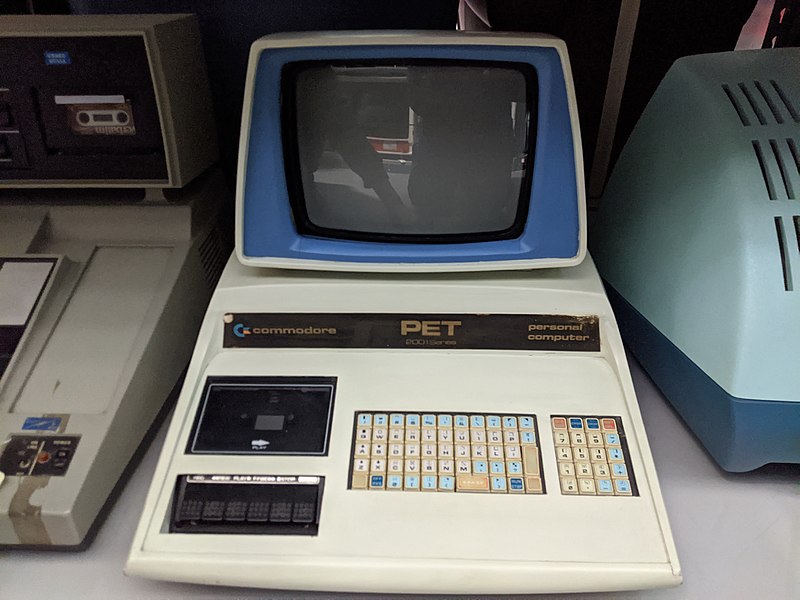
Arrival of the 1977 Trinity
Technology
Computers
History of Computing
3 min read
Updated By: History Editorial Network (HEN)
Published:
Updated:
The late 1970s marked a pivotal shift in the computing landscape with the introduction of affordable home computers, collectively referred to as the '1977 Trinity'. This group consisted of three notable models: the Commodore PET, the Apple II, and the TRS-80. Each of these computers was designed to be accessible to the average consumer, which was a significant departure from the previously dominant mainframe and minicomputer systems that were primarily used by businesses and educational institutions. The arrival of these home computers opened up new possibilities for personal computing, enabling individuals to engage with technology in ways that were previously unimaginable.
The Commodore PET, Apple II, and TRS-80 were equipped with features that appealed to a wide audience. They typically included a variety of pre-made games, which made them attractive to families and young users. Additionally, they came with the BASIC programming language, allowing users to create their own simple programs and games. This capability not only fostered creativity but also laid the groundwork for future generations of programmers and tech enthusiasts. The impact of the 1977 Trinity was profound, as it democratized access to computing technology and set the stage for the rapid evolution of personal computers in the following decades.
#mooflife
#MomentOfLife
#1977Trinity
#CommodorePet
#AppleIi
#Trs-80
#HomeComputers

Explore the Life Moments of
 AI Twin