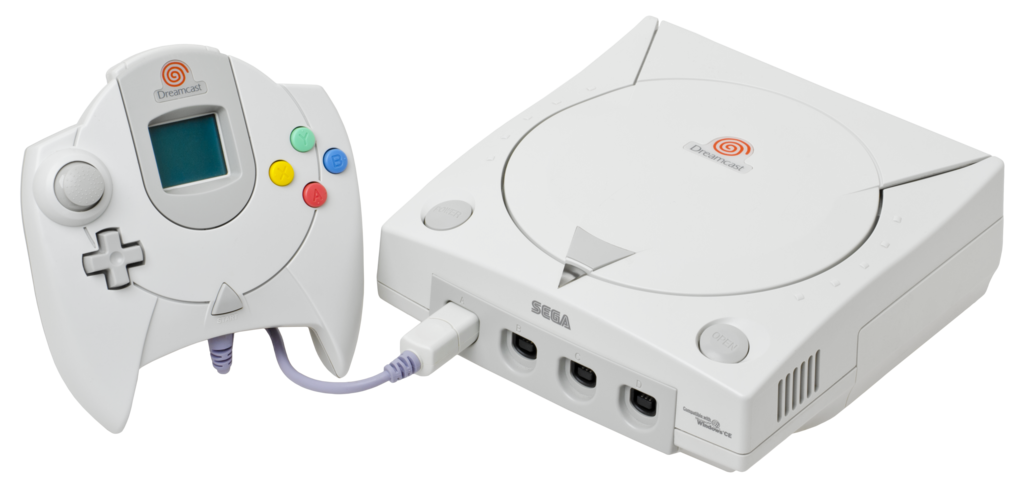
Overview of the Dreamcast Console
Gaming
Technology
4 min read
Updated By: History Editorial Network (HEN)
Published:
Updated:
The Dreamcast was Sega's final attempt to establish a foothold in the home console market, introduced as a response to the growing dominance of Sony's PlayStation brand. It was notable for being the first console to feature a built-in modem, allowing for online gaming, which was a groundbreaking innovation at the time. This capability set the Dreamcast apart from its competitors, as it enabled players to connect to the internet for multiplayer experiences and download content. Despite these advancements, the Dreamcast faced significant challenges due to Sega's previous missteps, particularly the lackluster performance of the Sega Saturn, which had damaged the company's reputation among consumers and retailers alike. Additionally, the announcement of Sony's PlayStation 2, which promised enhanced graphics and DVD playback, further overshadowed the Dreamcast's launch and marketing efforts.
The impact of the Dreamcast on the gaming industry was multifaceted. While it struggled commercially, selling approximately 9 million units worldwide, it laid the groundwork for future innovations in gaming, particularly in online connectivity and digital distribution. The console boasted a library of critically acclaimed titles, including "Shenmue," "Sonic Adventure," and "Jet Set Radio," which have since gained cult status. Despite its short lifespan, the Dreamcast's legacy endures, influencing subsequent generations of consoles and developers. After discontinuing the Dreamcast, Sega shifted its focus to software development, particularly in the arcade sector, marking a significant transition in the company's business strategy.
#mooflife
#MomentOfLife
#Dreamcast
#Sega
#GamingHistory
#ConsoleInnovation
#OnlineGaming

Explore the Life Moments of
 AI Twin