Emergence of Handheld Electronic Games
Electronic Games
Consumer Electronics
Gaming History
3 min read
Updated By: History Editorial Network (HEN)
Published:
Updated:
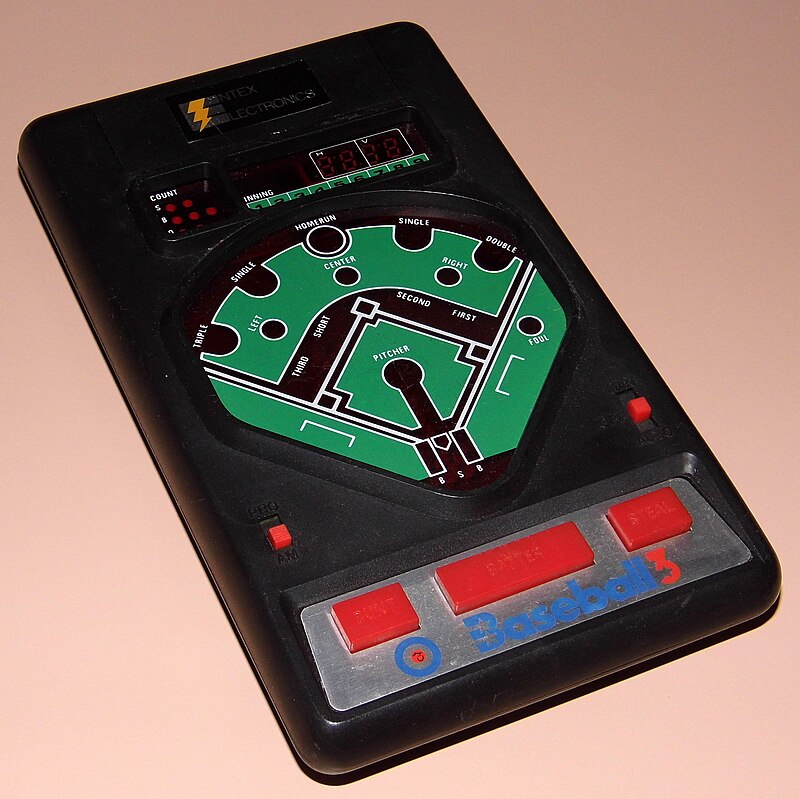
Handheld electronic games emerged in the early 1970s, utilizing computerized components with LED or VFD lights for display. These games were characterized by their simplicity, often limited to a single game due to the basic nature of the display technology. The introduction of LCD displays in the mid-1970s marked a significant shift in the handheld gaming market. LCDs became more affordable for consumer products, offering advantages such as lower power consumption and a more compact size compared to their LED and VFD predecessors. This transition allowed for more complex game designs and improved user experiences.
Several companies played a crucial role in the development and popularization of handheld electronic games during this period. Notable manufacturers included Mattel Electronics, Coleco, Entex Industries, Bandai, and Tomy, which produced a variety of electronic games that appealed to a wide audience. The impact of these handheld devices was profound, as they laid the groundwork for the future of portable gaming, influencing the design and functionality of subsequent gaming devices. The evolution from simple LED displays to more advanced LCD technology not only enhanced gameplay but also contributed to the growth of the gaming industry as a whole, paving the way for the handheld consoles that would follow.
#mooflife
#MomentOfLife
#HandheldGames
#ElectronicGames
#GamingHistory
#LcdTechnology
#PortableGaming

Explore the Life Moments of
 AI Twin