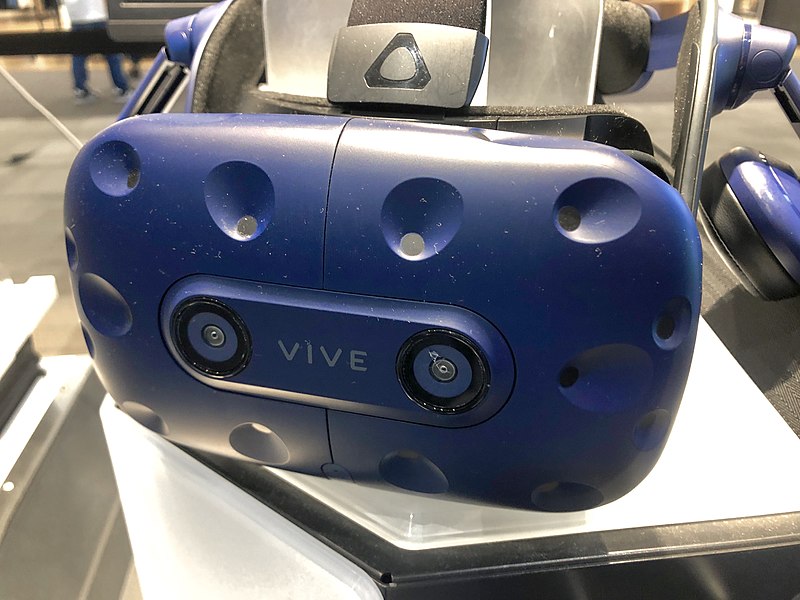
Unveiling HTC Vive and Sony VR Headset
Technology
Gaming
Virtual Reality
4 min read
Updated By: History Editorial Network (HEN)
Published:
Updated:
The launch of the HTC Vive and Sony VR headset marked a pivotal moment in the evolution of virtual reality technology. The HTC Vive, developed through a collaboration between Valve and HTC, was introduced as a high-end VR system that offered room-scale tracking and motion controls, setting a new standard for immersive experiences. This headset utilized advanced sensors and a unique lighthouse tracking system, allowing users to move freely within a designated space while interacting with virtual environments. The HTC Vive's release was significant in that it catered to both gamers and developers, providing a platform for a wide range of applications beyond gaming, including education, training, and virtual tourism. The headset's capabilities contributed to a growing interest in VR technology, leading to increased investment and development in the sector.
In parallel, Sony launched its PlayStation VR headset, which aimed to bring virtual reality to a broader audience by integrating with the existing PlayStation console ecosystem. This approach allowed gamers to access VR experiences without the need for a high-end PC, making it more accessible to the average consumer. The PlayStation VR featured a library of games and experiences that leveraged the console's capabilities, further popularizing VR among mainstream audiences. Both the HTC Vive and PlayStation VR played crucial roles in shaping the VR landscape, driving innovation and competition in the industry. Their launches not only highlighted the potential of virtual reality but also spurred advancements in hardware and software, leading to a surge in VR content creation and a growing community of developers and users.
#mooflife
#MomentOfLife
#HtcVive
#SonyVrHeadset
#VirtualReality
#GamingTechnology
#VrDevelopment

Explore the Life Moments of
 AI Twin