Electronic Arts' Project Ten Dollar Abandoned
Gaming
Business
Online Features
3 min read
Updated By: History Editorial Network (HEN)
Published:
Updated:
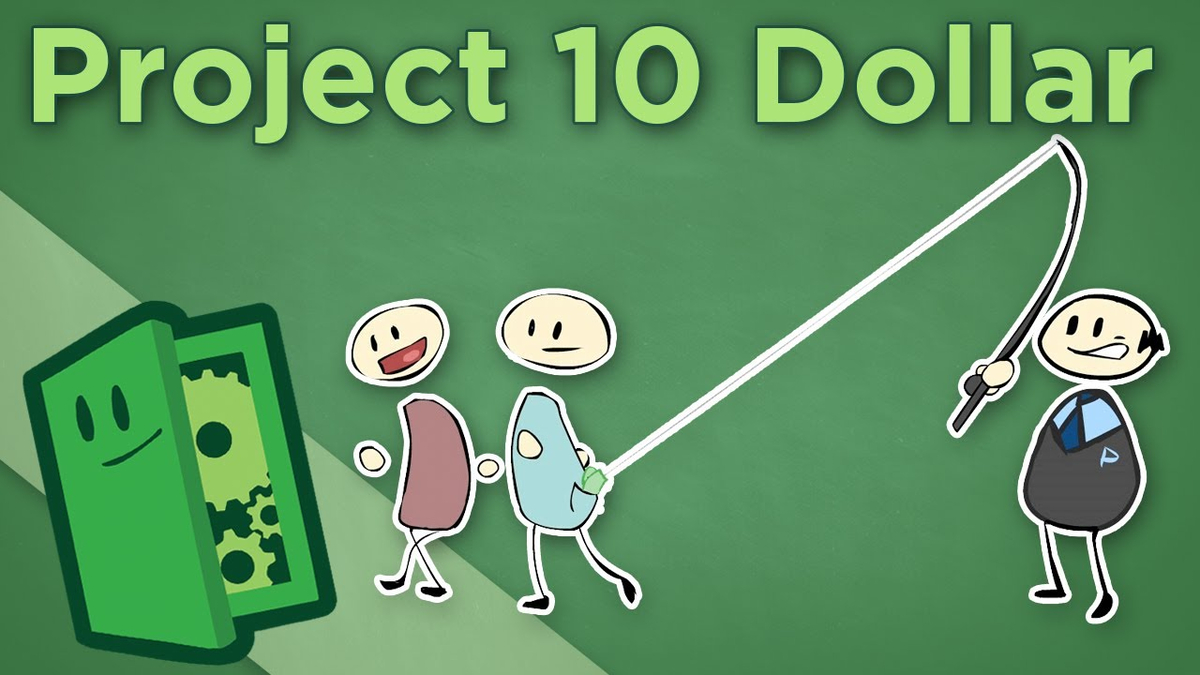
Electronic Arts' Project Ten Dollar was a strategy implemented to monetize video games through online content. This initiative required players to purchase a game in order to access certain online features, effectively creating a barrier for secondary sales. The primary goal was to enhance per-game earnings by encouraging players to buy new copies rather than used ones. This model was part of a broader trend in the gaming industry where publishers sought to maximize revenue through additional microtransactions and online passes. However, the approach faced significant backlash from consumers who viewed it as a restrictive practice that limited their gaming experience. Critics argued that it undermined the value of purchasing games, as players were forced to pay extra for features that were often considered integral to the gaming experience. The negative reception led to a decline in the popularity of the Project Ten Dollar model, prompting Electronic Arts to abandon it in favor of alternative monetization strategies, such as the season pass model, which allowed players to purchase a bundle of downloadable content at a discounted rate. This shift reflected a broader change in the industry as publishers sought to balance profitability with consumer satisfaction.
#mooflife
#MomentOfLife
#ElectronicArts
#ProjectTenDollar
#VideoGameMonetization
#OnlinePasses
#SeasonPassModel
Primary Reference
EA's "Project Ten Dollar" explained

Explore the Life Moments of
 AI Twin