Early Computer Games: Tic Tac Toe and Nim
Technology
Gaming
3 min read
Updated By: History Editorial Network (HEN)
Published:
Updated:
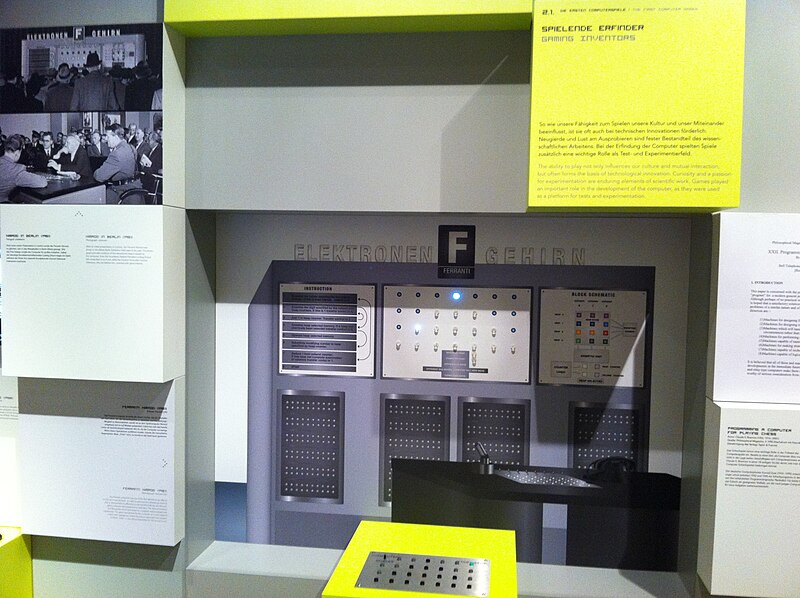
In the early days of computing, game systems were among the first applications of electronic machines, showcasing their capabilities to the public. One of the earliest examples is Bertie the Brain, developed to play Tic Tac Toe. This system utilized electronic light displays and was primarily designed for demonstration purposes at exhibitions. It served not only as entertainment but also as a means to illustrate the potential of computers in interactive environments. The simplicity of Tic Tac Toe made it an ideal choice for early computer programming, allowing developers to experiment with algorithms and user interfaces in a straightforward manner.
Following Bertie the Brain, another notable early game system was Nimrod, created to play the game of Nim. Similar to its predecessor, Nimrod employed electronic light displays and was showcased at exhibitions to highlight the advancements in computer technology. Nim is a mathematical game of strategy, and its implementation on a computer provided insights into how machines could engage in complex decision-making processes. Both Bertie the Brain and Nimrod played crucial roles in the evolution of computer games, laying the groundwork for future developments in interactive entertainment and artificial intelligence. These early systems not only entertained but also educated the public about the capabilities of computers, paving the way for the gaming industry as we know it today.
#mooflife
#MomentOfLife
#EarlyComputerGames
#TicTacToe
#Nim
#ComputerScienceHistory
#GameDevelopment

Explore the Life Moments of
 AI Twin