Victor Hugo publishes political pamphlets
France
Literature
Political Commentary
Exile and Influence
3 min read
Updated By: History Editorial Network (HEN)
Published:
Updated:
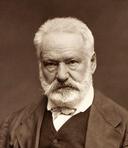
Victor Hugo, a prominent French writer and political figure, found himself in exile due to his opposition to the regime of Napoleon III. During his time in Guernsey, he produced several influential political pamphlets, notably "Napoléon le Petit" and "Histoire d'un crime." These works criticized the authoritarian rule of Napoleon III and exposed the injustices of his government. Although the French authorities banned these pamphlets, they resonated with the public and contributed to the growing discontent against the regime. Hugo's writings not only articulated the frustrations of the populace but also galvanized support for republican ideals, making a significant impact on the political landscape of France.
In addition to his political activism, Hugo continued to create literary masterpieces during his exile. His novel "Les Misérables" emerged from this period, alongside three acclaimed poetry collections: "Les Châtiments," "Les Contemplations," and "La Légende des siècles." These works reflect his deep commitment to social justice and human rights, themes that were central to his political pamphlets. The combination of his literary and political efforts solidified Hugo's legacy as a champion of freedom and a critic of tyranny, influencing generations of writers and activists who followed. His time in exile not only shaped his own work but also left a lasting mark on French literature and political thought.
#mooflife
#MomentOfLife
#VictorHugo
#PoliticalPamphlets
#NapoleonIii
#FrenchLiterature
#Exile
Primary Reference
Victor Hugo
Explore the Life Moments of
 AI Twin