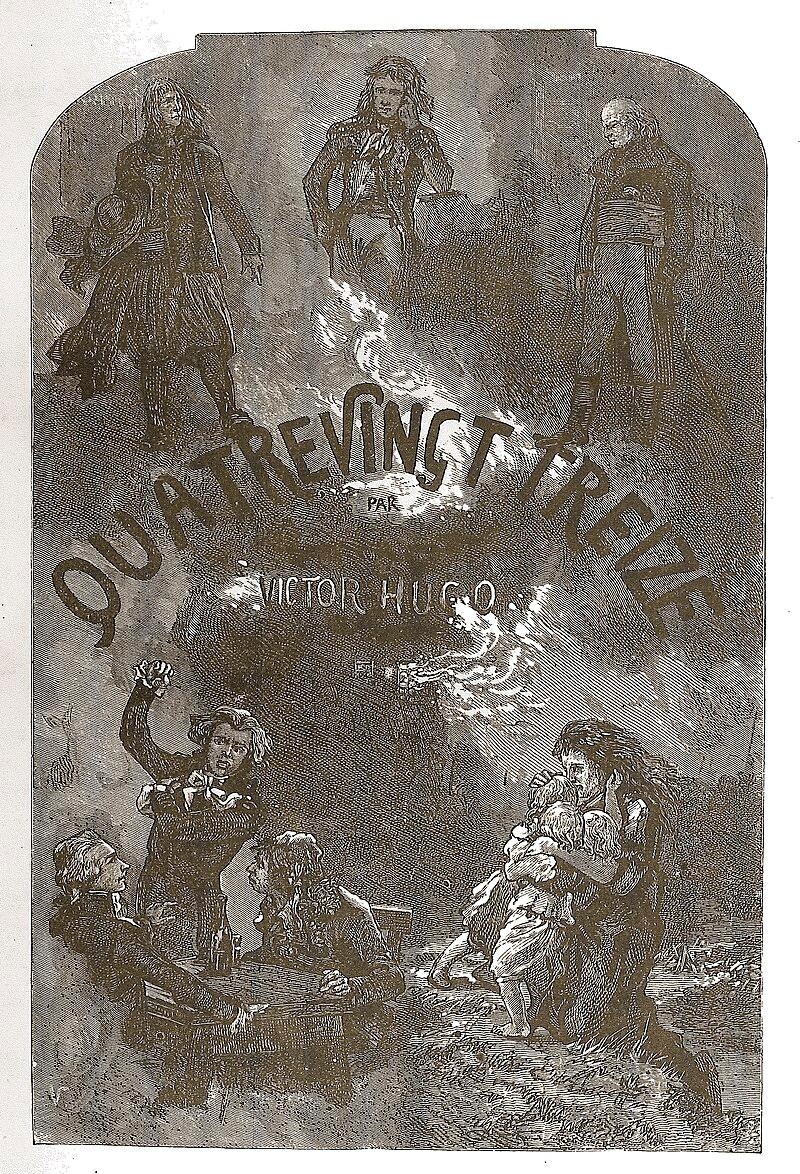
Last Novel Quatre-vingt-treize
France
Literature
Books
Novels
4 min read
Updated By: History Editorial Network (HEN)
Published:
Updated:
Victor Hugo's last novel, Quatre-vingt-treize, also known as Ninety-Three, was published in 1874. This work marked a significant departure for Hugo, as it addressed the Reign of Terror during the French Revolution, a topic he had previously chosen to avoid in his earlier writings. The narrative explores the complexities and moral dilemmas faced by individuals during a tumultuous period in French history. It presents a detailed portrayal of the political and social upheaval that characterized the era, focusing on the struggles between revolutionary ideals and the harsh realities of power. The novel is structured around several key characters, each representing different facets of the conflict, and their interactions highlight the broader themes of justice, loyalty, and the consequences of radical change.
Despite being published during a time when Hugo's popularity was waning, Quatre-vingt-treize has since gained recognition as a significant literary work. Critics and scholars have noted its intricate narrative and deep philosophical inquiries, which resonate with the themes present in Hugo's more celebrated novels. The book's exploration of the human condition amidst chaos and its critique of political extremism have contributed to its enduring relevance. Today, many consider Ninety-Three to be on par with Hugo's other major works, reflecting his ability to engage with complex historical events while delving into the moral questions they raise. The novel serves as a poignant reminder of the impact of revolution on society and the individual, making it a critical piece of literature in understanding the French Revolution and its aftermath.
#mooflife
#MomentOfLife
#VictorHugo
#Quatre-vingt-treize
#Ninety-three
#FrenchRevolution
#ReignOfTerror
Primary Reference
Ninety-Three

Explore the Life Moments of
 AI Twin