Victor Hugo Devotes Himself to Drawing
France
Art History
Literature
Political Expression
3 min read
Updated By: History Editorial Network (HEN)
Published:
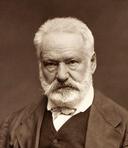
Victor Hugo, renowned for his literary contributions, turned his focus to drawing during a pivotal period in his life. Initially a casual hobby, drawing gained significance for Hugo as he shifted his attention from writing to political engagement. This transition occurred shortly before his exile, marking a notable change in his creative expression. Between 1848 and 1851, Hugo dedicated himself exclusively to this art form, producing over 4,000 drawings, of which approximately 3,000 remain today. His work primarily utilized paper and was characterized by small-scale pieces, often executed in dark brown or black pen-and-ink wash. Occasionally, he incorporated touches of white, though color was rarely used. This period of artistic exploration allowed Hugo to channel his thoughts and emotions into a different medium, reflecting his inner turmoil and the socio-political climate of the time. The drawings serve as a testament to his versatility as an artist and his ability to adapt his creative outlets in response to personal and societal changes.
#mooflife
#MomentOfLife
#VictorHugo
#Drawing
#ArtHistory
#PoliticalEngagement
#19thCenturyArt
Explore the Life Moments of
 AI Twin