The Man Who Laughs published
France
Literature
19th Century Novels
French Literature
3 min read
Updated By: History Editorial Network (HEN)
Published:
Updated:
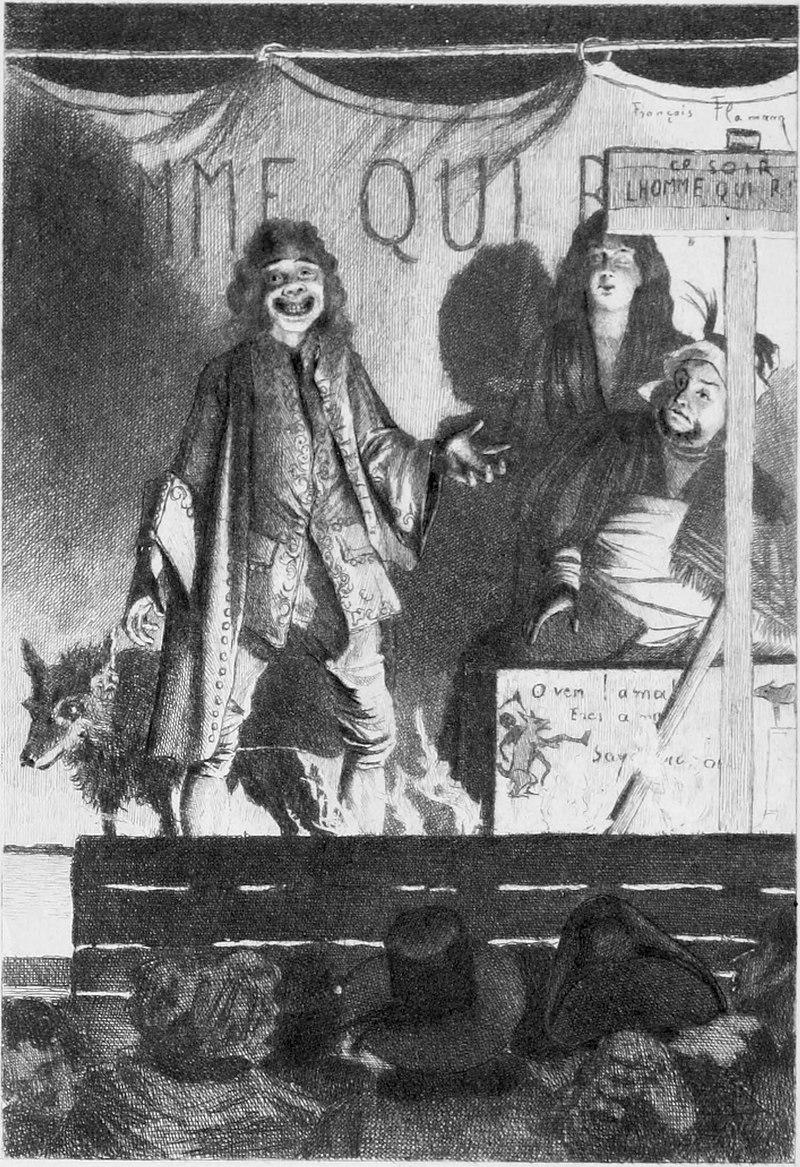
Victor Hugo's novel, 'The Man Who Laughs', presents a critical examination of the aristocracy and societal issues of its time. The narrative follows the life of Gwynplaine, a boy disfigured by a cruel act, who becomes a symbol of the marginalized and oppressed. Through Gwynplaine's journey, Hugo explores themes of identity, social injustice, and the human condition. The novel reflects Hugo's ongoing engagement with political and social issues, showcasing his belief in the need for reform and compassion in society. Despite its rich thematic content, 'The Man Who Laughs' did not achieve the same level of success as Hugo's earlier works, which may be attributed to its complex narrative style and the challenging subject matter. The book's impact lies in its ability to provoke thought about the nature of happiness and the societal structures that dictate one's fate. It serves as a poignant reminder of the struggles faced by those on the fringes of society, making it a relevant work in discussions about class and social equity. The novel has since been adapted into various forms, including film and theater, further extending its reach and influence beyond the literary world. Its exploration of the human experience continues to resonate with audiences, highlighting the timeless nature of Hugo's insights into the human condition.
#mooflife
#MomentOfLife
#VictorHugo
#TheManWhoLaughs
#LiteraryAnalysis
#SocialJustice
#Aristocracy
Primary Reference
The Man Who Laughs
Explore the Life Moments of
 AI Twin