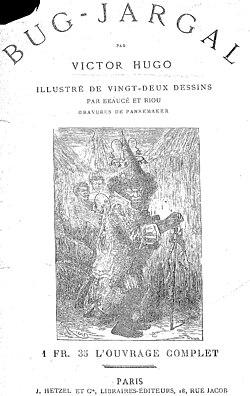
The Bug Jargal Story and Novel
France
Literature
Short Stories
Novels
3 min read
Updated By: History Editorial Network (HEN)
Published:
Updated:
'Bug-Jargal' is a work by Victor Hugo that began as a short story published in the early 1820s and was later expanded into a novel in 1826. The narrative is set against the backdrop of the Haitian Revolution, a significant historical event that saw enslaved people rise against colonial rule. The story follows the character of Bug-Jargal, a heroic figure who embodies the struggle for freedom and justice. Through his experiences, Hugo explores themes of humanity, sacrifice, and the moral complexities of revolution. The character of Bug-Jargal serves as a symbol of resistance and the fight against oppression, reflecting the broader social and political issues of the time.
The impact of 'Bug-Jargal' extends beyond its narrative, as it highlights the brutal realities of slavery and colonialism. Hugo's portrayal of the Haitian Revolution contributes to the discourse on human rights and the quest for liberty. The novel also showcases Hugo's early literary style, which would later evolve into more complex works. The themes presented in 'Bug-Jargal' resonate with contemporary discussions on race, freedom, and justice, making it a relevant piece of literature in understanding historical and modern struggles against oppression. The work is often regarded as a precursor to Hugo's later masterpieces, establishing his reputation as a significant voice in literature and social commentary.
#mooflife
#MomentOfLife
#VictorHugo
#BugJargal
#HaitianRevolution
#Literature
#SocialCommentary
Primary Reference
Bug-Jargal

Explore the Life Moments of
 AI Twin