Posthumous Publication of The End of Satan
France
Literature
Religious Studies
Philosophy
4 min read
Updated By: History Editorial Network (HEN)
Published:
Updated:
The posthumous publication of "The End of Satan" marked a notable moment in the literary landscape, showcasing the philosophical and theological explorations of its author. This work, alongside another posthumous publication titled "God," reflects the author's complex views on religion and rational thought. In "The End of Satan," Christianity is symbolically represented as a griffin, a creature often associated with strength and vigilance, while rationalism is depicted as an angel, embodying purity and enlightenment. This duality highlights the author's attempt to navigate the tensions between faith and reason, a theme that resonates with many intellectual debates of the time. The publication of these works after the author's death allowed for a renewed examination of his ideas and their implications for contemporary society, particularly in the context of the evolving relationship between religion and science.
The impact of "The End of Satan" extends beyond its immediate literary significance. It serves as a reflection of the broader cultural shifts occurring during the period, where traditional religious beliefs were increasingly challenged by emerging rationalist perspectives. The contrasting representations of Christianity and rationalism in the text invite readers to consider the complexities of faith in a modernizing world. The work has been analyzed for its rich symbolism and its commentary on the human condition, contributing to ongoing discussions in literary and philosophical circles. The posthumous nature of the publication also raises questions about the legacy of the author and how posthumous works can influence the interpretation of an author's oeuvre. Overall, "The End of Satan" remains a critical text for understanding the interplay between religion and rationality in literature and thought.
#mooflife
#MomentOfLife
#PosthumousPublication
#TheEndOfSatan
#LiteraryAnalysis
#ReligionAndRationalism
#CulturalImpact
Primary Reference
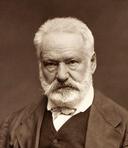
Victor Hugo
Explore the Life Moments of
 AI Twin