Hugo Declares Himself a Freethinker
France
Religion
Philosophy
Personal Identity
3 min read
Updated By: History Editorial Network (HEN)
Published:
Updated:
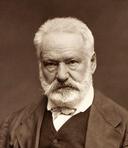
Hugo's declaration of himself as a freethinker marked a pivotal shift in his religious and philosophical beliefs. When asked by a census-taker if he identified as a Catholic, Hugo's response was clear and definitive: "No. A Freethinker." This statement not only reflected his personal beliefs but also highlighted his growing discontent with the Catholic Church. Hugo perceived the Church as being disconnected from the struggles of the working class, particularly during a time when many were suffering under oppressive regimes. His views were influenced by Enlightenment thinkers like Voltaire, who advocated for reason and individualism over traditional religious dogma.
The impact of Hugo's declaration extended beyond his personal beliefs; it resonated with a broader movement of secularism and free thought that was gaining traction in society. By distancing himself from Catholicism, Hugo aligned himself with a growing number of intellectuals and activists who sought to challenge the status quo and advocate for social justice. His stance contributed to the discourse surrounding the role of religion in public life and the importance of addressing the needs of the marginalized. This shift in Hugo's perspective not only shaped his literary works but also positioned him as a prominent figure in the fight for human rights and social reform, influencing future generations of thinkers and activists.
#mooflife
#MomentOfLife
#Hugo
#Freethinker
#CatholicChurch
#SocialJustice
#Enlightenment
Primary Reference
Victor Hugo
Explore the Life Moments of
 AI Twin