Hugo Appointed as Peer of France
France
Politics
4 min read
Updated By: History Editorial Network (HEN)
Published:
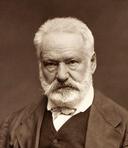
Victor Hugo, a prominent French writer and political figure, was appointed as a peer of France, taking on the title 'Vicomte Victor Hugo'. This appointment marked a significant recognition of his contributions to French literature and society. The peerage system in France, which dates back to the medieval period, was a way to honor individuals who had made notable contributions to the state. Hugo's elevation to this status reflected not only his literary achievements but also his growing influence in political circles. His works, which included novels, poetry, and plays, had already established him as a leading figure in the Romantic movement, and this appointment further solidified his position in French cultural and political life.
The impact of Hugo's appointment as a peer extended beyond personal recognition; it also highlighted the intersection of literature and politics in France during this period. As a peer, Hugo had the opportunity to participate in legislative discussions and influence public policy. His involvement in political matters was consistent with his writings, which often addressed social issues and advocated for justice and reform. The peerage allowed him to voice his opinions on matters such as education, poverty, and human rights, aligning with his lifelong commitment to social causes. This appointment not only enhanced his status but also provided a platform for his advocacy, demonstrating how literary figures could engage with and shape the political landscape of their time.
#mooflife
#MomentOfLife
#VictorHugo
#PeerOfFrance
#FrenchLiterature
#RomanticMovement
#PoliticalInfluence
Explore the Life Moments of
 AI Twin