Sistine Chapel Construction Completed
Vatican City
Cultural Landmark
4 min read
Updated By: History Editorial Network (HEN)
Published:
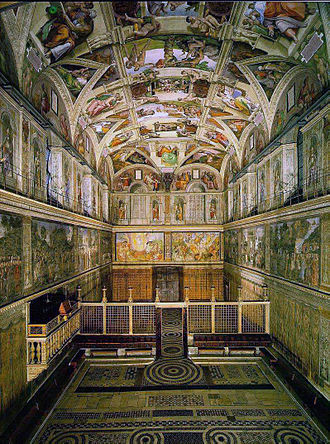
The completion of the Sistine Chapel's construction marked a pivotal chapter in the history of Vatican City. The chapel, commissioned by Pope Sixtus IV, stands as an architectural and cultural landmark. It was designed by the architect Giovanni dei Dolci and served both religious and functional purposes, including the hosting of papal ceremonies and conclaves.
Built within the Apostolic Palace, the chapel measures 40.9 meters in length and 13.4 meters in width. Its construction brought together renowned artists of the era, who contributed to its grand interior. Notably, the walls feature frescoes by masters such as Sandro Botticelli, Domenico Ghirlandaio, and Pietro Perugino. These works represent biblical accounts and serve as visual scriptures for the faithful.
The edifice's completion established it as a key site for Papal activities and religious gatherings. It also set the stage for future artistic contributions, most famously the ceiling frescoes painted by Michelangelo Buonarroti several decades later. The impact of the chapel's construction extended beyond its immediate religious functions; it also symbolized the embodiment of Renaissance art and architecture, reaffirming the Vatican's role as a cultural and spiritual epicenter.
To this day, the Sistine Chapel remains a significant destination for millions of visitors annually, drawn by its historical and artistic legacy. It also continues to function as an active site for the election of new Popes, maintaining its centuries-old tradition and relevance.
#VaticanHistory #RenaissanceArt #CulturalLandmark #ReligiousHeritage #MoofLife
Primary Reference
Sistine Chapel - Wikipedia

Explore the Life Moments of
 AI Twin