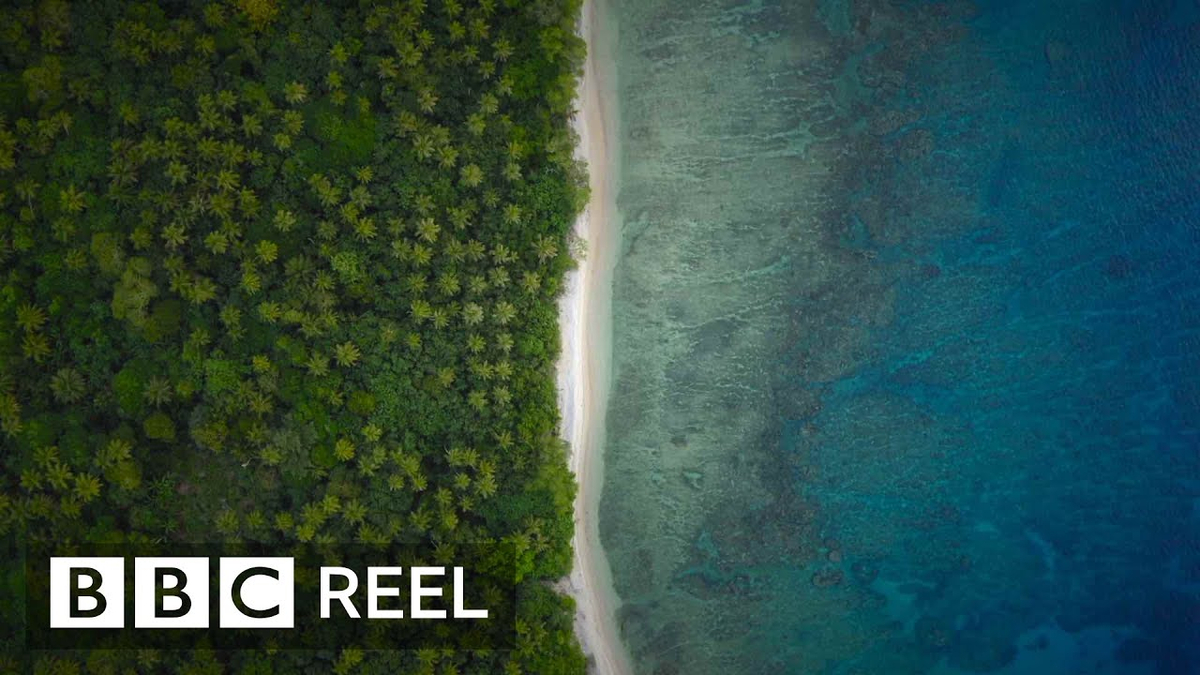
Vanuatu extends plastic ban to include more items for environmental conservation efforts.
Vanuatu
Environmental
Global Trade
5 min read
Updated By: History Editorial Network (HEN)
Published:
Updated:
Vanuatu, an island nation in the South Pacific, gained recognition for its proactive approach toward environmental conservation by extending its plastic ban. This move targeted environmental sustainability by including seven additional plastic items such as cutlery, single-use plates, and artificial flowers in the list of banned products. The earlier phases of the plastic ban had already set a precedent, imposing restrictions on plastic bags, straws, and styrofoam food containers, among other items.
The extension aimed to mitigate the detrimental effects of plastic pollution on Vanuatu's marine life and ecosystems. The geographical setup of Vanuatu, comprising numerous small islands, renders it highly vulnerable to the impact of marine debris. Plastic waste poses significant risks to marine biodiversity and the livelihood of communities reliant on fishing and tourism.
Research indicated that between 8 to 12 million tonnes of plastic waste enter the oceans annually, with the Pacific region experiencing a high degree of exposure. Vanuatu’s extended ban represented a decisive step in a broader strategy to minimize plastic pollution. The policy adjustment was intended to encourage behavior change, promote the use of sustainable alternatives, and improve waste management practices across the country.
The ban formed a part of Vanuatu's broader environmental agenda, which also included efforts to tackle climate change and promote renewable energy. It gained support from various environmental groups and international organizations who lauded Vanuatu’s commitment. The policy was also an educational tool, raising awareness within the community about the adverse effects of plastic pollution.
While the plastic ban presented challenges, particularly for retailers and importers required to adapt swiftly, it offered long-term benefits for the environment and public health. Local businesses began exploring alternatives like biodegradable materials, thereby sparking innovation and adaptation within the local economy.
In conclusion, Vanuatu's decision to extend its plastic ban underlined its dedication to environmental stewardship, serving as a model for other nations facing similar ecological challenges.
#PlasticBan #Vanuatu #MarineConservation #Sustainability #EnvironmentalPolicy #MoofLife

Explore the Life Moments of
 AI Twin