Pearl Harbor Attack and New Hebrides: US Entry and Strategic Advantage in WWII
Vanuatu
Political
Global Trade
4 min read
Updated By: History Editorial Network (HEN)
Published:
Updated:
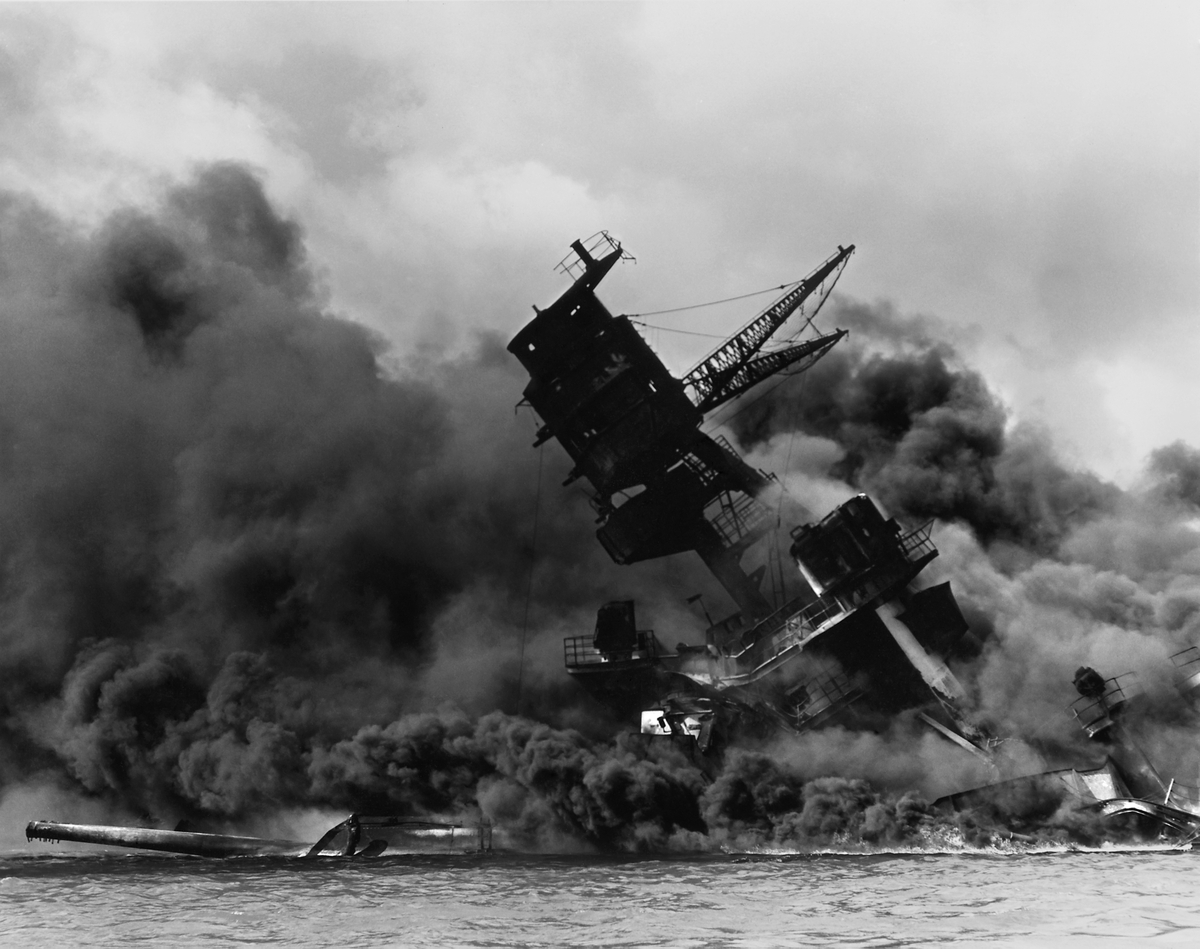
The Japanese attack on Pearl Harbor was a pivotal moment that led to the United States' active involvement in World War II. This sudden strike caused severe damage to the U.S. Pacific Fleet, sinking or damaging numerous vessels and causing significant casualties. In the aftermath, the U.S. declared war on Japan, marking its entry into the global conflict.
The involvement of the United States in the war had a substantial strategic impact in the Pacific region. The New Hebrides, now known as Vanuatu, became critically important to the Allied forces. Located in the South Pacific, the islands provided a valuable base for military operations. The geography of the New Hebrides offered a strategic advantage for launching offensives and supporting Allied naval and air operations in the Pacific theater.
The New Hebrides served as a staging area for troops and equipment and housed airfields that were crucial for air superiority in the region. Allied forces constructed multiple infrastructure projects, including airstrips and bases, to facilitate logistical support and operational readiness. The islands' strategic position helped secure communication lines and disrupt Japanese advancements in the Pacific, contributing to the overall Allied war effort.
By utilizing the New Hebrides as a logistical and operational hub, the Allies could effectively project power across the Pacific, aiding in numerous campaigns that would eventually lead to the turning points in the war. The strategic importance of these islands underscored the global nature of the conflict, highlighting how remote locations could have far-reaching impacts on the war's outcome.
#PearlHarborImpact #WWIIPacificTheater #StrategicVanuatu #AlliedForces #OperationalHub #MilitaryHistory #MoofLife

Explore the Life Moments of
 AI Twin