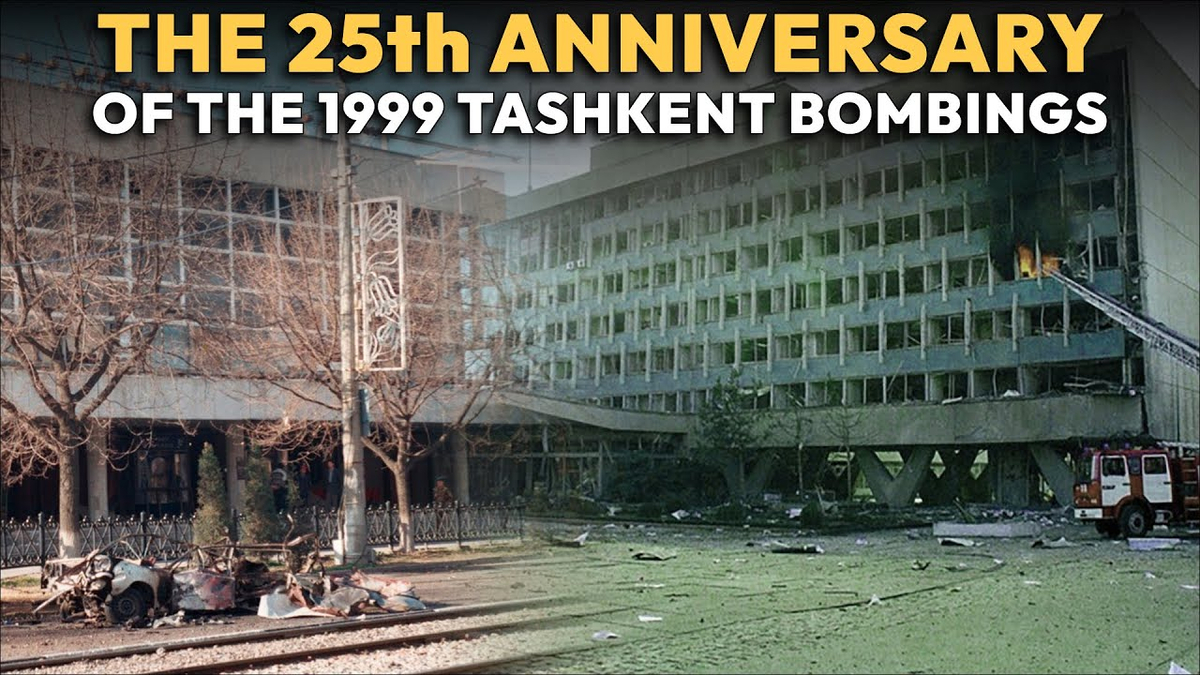
Tashkent, the capital of Uzbekistan, experienced a series of devastating car bombings
Uzbekistan

Terrorism
Political Events
Historical Incidents
3 min read
Updated By: History Editorial Network (HEN)
Published:
Updated:
In February 1999, Tashkent, the capital of Uzbekistan, experienced a series of devastating car bombings that marked a significant escalation in the threat of Islamic extremism in the region. The attacks targeted key locations in the city, resulting in numerous casualties and widespread panic. President Islam Karimov was present during the bombings and narrowly escaped an assassination attempt, which underscored the precarious security situation in Uzbekistan at the time. The government quickly attributed the attacks to the Islamic Movement of Uzbekistan (IMU), a group that had been gaining notoriety for its radical interpretation of Islam and its calls for jihad against the Uzbek government. In the aftermath, the government launched a sweeping crackdown, arresting and imprisoning thousands of individuals suspected of being involved or sympathetic to the IMU. This harsh response not only aimed to quell immediate threats but also reflected the government's broader strategy to maintain control and suppress dissent. The Tashkent bombings served as a stark reminder of the rising tide of Islamic extremism in Central Asia and the lengths to which the government would go to combat it, raising concerns about human rights abuses and the implications for political stability in the region.
#mooflife
#MomentOfLife
#TashkentBombings
#IslamicMovementOfUzbekistan
#IslamKarimov
#CentralAsiaSecurity
#IslamicExtremism

Explore the Life Moments of
 AI Twin